Kankandara
 phant0m_wp
Genre: Japanese Folklore HipHop / Darkwave Trap / AI-Generated Music
Produced by: Phantom Tone | Suno AI | Kotetsu Co., Ltd.
Tags: #JapaneseHipHop #AIgeneratedMusic #PhantomTone #Darkwave

🩸 About the Track
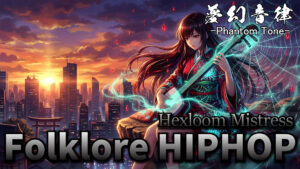
“Kankandara” — a darkly poetic entry in the Phantom Tone lineage — summons the serpentine legend of Kankandara, a yokai of forbidden desire and karmic rebirth. The track fuses AI-generated Music with Japanese folklore hip-hop, crafting a haunted rhythm where taiko and shakuhachi coil around lo-fi trap textures. Its atmosphere is both ritualistic and cinematic — a descent into sound where memory, curse, and devotion intertwine.
🕯️ Concept & Symbolism
The story of “Kankandara” speaks of transformation through sin — the serpent as a vessel of guilt and transcendence. Each verse unveils the cycle of obsession: love devours, shadow forgives, and spirit renews. Using AI-driven sound layering, this song mirrors the myth’s echo — a sonic serpent devouring its own tail in eternal return. It belongs to the AI Art Fusion canon: the voice as ritual, rhythm as purification, and sound as remembrance.
🔮 Hook Words Analysis
This section highlights three symbolic words from the lyrics — the axis of its poetic emotion.
- 蛇 (Serpent): The serpent represents the forbidden pulse — both curse and rebirth. In “Kankandara,” it embodies the eternal loop between desire and punishment, echoing ancestral myth.
- 赦シ (Forgiveness): This recurring cry forms the emotional core. “赦シテ” transcends repentance — it is both plea and purification through rhythm, expressed via AI vocal layering.
- 影 (Shadow): The shadow stands for attachment and the haunting of memory. It symbolizes what remains after love decays — the phantom tone within silence.
Together, these motifs form a circle of sound, sin, and salvation, aligning with the Japanese kotodama tradition.
🎙️ Lyrics (Original Japanese)
[Intro (shakuhachi & taiko) solo]
嗤う社に 錆びた鈴
朱の月、声を呑む

[Verse 1]
絹裂く音に潜む影 愛シと呪ヒの狭間で
燐光の瞳、嗤う姫 君の名を這う
零れ落ちた聲、ひとひらの蛇
触れた指の先、泡沫の詩

[B Verse 1]
月下、爪を研ぐように
脈を喰む夜を聞け

[Chorus 1 - Short / 8拍構成]
愛シテ 裂ケル夜
声ノ根ハ 凍ル夢
咲イタ蛇ノ花
祈リハ 還ラヌ

[Verse 2]
紅蓮ノ底 泡ノ鎖
嘘を縫い合う水鏡
指切リノ跡、疼キ出ス
沈メヨ、恋。沈メヨ、罪。

[B Verse 2]
風は骨を撫で、鈴を鳴らす
夢ハ未ダ、醒メズ

[Chorus 2 - Mid / 12拍構成]
赦シテ、赦シテ 燃ユ聲
堕チル影 願イハ 滅ビノ華

君ヲ喰ラウ迄
赦シテ、赦シテ

[Bridge]
宵ノ坩 白蛇舞フ
瞼裏ノ祈リ、哭ク
「恋」ノ音、溶ケ
時ノ翳、零レル

[Chorus 3 - Long / 16拍構成 + melodic ending]
忘レテ 忘レテ 忘レテ
宵花ノ夢 裂ク夜
君ノ影ニ 縋ル聲
蛇ノ眼ハ 泣クマデ
夜ノ涯テニ 君ノ影
還ラヌ唄ヲ 抱キ締メテ

[Outro (koto & synth fade)]
Official Lyrics: https://ishipos.com/phantomtone/lyrics/Kankandara/
Folklore Origin
Rooted in the Kankandara legend — a modern Japanese yokai-like entity embodying forbidden spaces and hybrid terror, where human boundaries collapse into something uncontrollable. This track channels that unease as sound. Learn more about Kankandara here.
🪶 Artistic Commentary
“Kankandara” demonstrates the Phantom Tone aesthetic in its most shadowed form — AI sound design shaping a mythic trance. Its beat pulses like ritual breath, where AI composition transforms yokai myth into modern sound. The production bridges ancient rhythm and digital mysticism, combining oriental lo-fi resonance and AI-driven mixing to conjure an auditory shrine. It is a prayer whispered through distortion — an offering to the serpentine goddess of memory.
🎬 Anime World References
“Kankandara” intertwines forbidden love, serpent myths, and the decaying echoes of shrine rituals. To help listeners visualize its world of sealed gods, crimson moons, and whispering bells, here are three anime works that resonate with its serpentine, ritualistic atmosphere:
1. Hell Girl(地獄少女 / Jigoku Shoujo)
A haunting anthology centered on vengeance, curses, and the cost of human emotion. The series’ quiet tension — the toll of bells, the crimson glow of retribution — mirrors “Kankandara’s” lines like “嗤う社に 錆びた鈴” and “赦シテ、赦シテ”. Both portray the thin boundary between love and damnation, where prayer transforms into punishment.
2. Noraneko Monogatari(野良猫物語 / Original Short Works & Folk-Tales Style)
This lesser-known art-style anime weaves short spiritual fables around forgotten shrines and beasts wandering between life and afterlife. Its painterly depiction of twilight nature and folklore echoes “紅蓮ノ底 泡ノ鎖” and “宵ノ坩 白蛇舞フ” — images of devotion, decay, and rebirth within the same sacred cycle.
3. Requiem from the Darkness(京極夏彦 巷説百物語)
A gothic retelling of Edo-era ghost lore, filled with serpents, priests, and vengeful spirits. Its heavy chiaroscuro and ritual motifs parallel “沈メヨ、恋。沈メヨ、罪。” and “夜ノ涯テニ 君ノ影”, where desire and guilt intertwine. The anime’s tone — half-chant, half-lament — reflects “Kankandara’s” blend of folklore hip-hop and spiritual tragedy.
⚙️ Technical Details
- Software: Suno AI / Studio One / Premiere Pro
- Production: Generative layering of AI vocal timbres and taiko-driven darkwave rhythm, shaped through post-processing.
- Style prompt: “Japanese folklore hip-hop under blood moon; serpent mythology; spectral lo-fi trap.”
- Note: Detailed generation settings and prompts are available in the paid note article.
💬 Japanese Summary
「Kankandara」は、蛇神伝説をモチーフにしたPhantom ToneのダークフォークロアHIPHOP。
AI生成音楽と和太鼓・尺八が織り成す、儀式のような幻想空間。
“赦し”と“影”を主題に、罪と愛の循環を描く詩的サウンドです。
音の奥底に潜む祈りが、聴く者の心に残響します。
🔗 Connect
📺 YouTube (Phantom Tone)
🎵 Phantom Tone Official
🐦 X / Twitter
🧵 Threads
✍️ note
#JapaneseHipHop #AIgeneratedMusic #PhantomTone #Darkwave #和風HIPHOP #AI音楽 #SunoAI #Kotodama #LoFiJapan #蛇神伝説