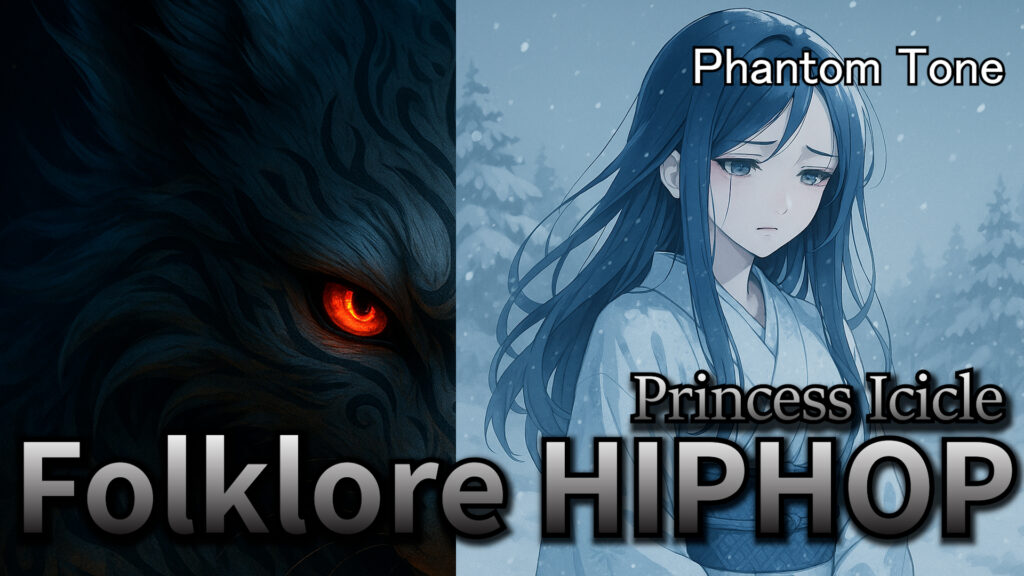

Yuki-onna — The Snow Woman of Japanese Winter Folklore
Yuki-onna, often translated as “Snow Woman,” is among the most enduring and enigmatic figures in Japanese folklore. Appearing on blizzard nights, she is described as a tall, ethereal woman dressed in white, with skin as pale as snow and breath that freezes the air itself. While her nature varies across regions and historical periods, she consistently embodies the beautiful yet merciless force of winter — a spirit whose presence blurs the line between allure and mortal peril.
Her earliest literary appearance can be traced to Edo-period kaidan collections, though oral traditions in snowy regions suggest much older roots. In these tales, the Yuki-onna emerges on nights of deep cold, drifting through mountain paths or approaching travelers who have lost their way. Her movement is often silent, almost gliding, as if she herself is shaped from drifting snowfall rather than mortal flesh. In many accounts, she leaves no footprints behind her.
Interpretations of Yuki-onna’s character span a wide spectrum. Some narratives portray her as a lethal winter spirit who steals the warmth or life-force of those she encounters. Others frame her as a tragic, lonely figure who longs for companionship but remains bound to the cold. In certain regional variants, she appears at the threshold of homes to ask for shelter, warmth, or water — a liminal encounter that reflects the precarious relationship between rural life and harsh winter conditions in historical Japan.
A particularly influential rendition comes from Lafcadio Hearn’s “Kwaidan,” which introduced Yuki-onna to a global audience. In Hearn’s telling, she is both terrifying and compassionate: a being who spares a young woodcutter’s life out of pity, only to later confront him when he breaks his promise of silence. This blend of supernatural beauty, moral ambiguity, and emotional depth has shaped modern interpretations in literature, film, anime, and visual arts.
Symbolically, Yuki-onna represents winter’s dual nature: breathtaking serenity and absolute danger. Her presence can also be read as a metaphor for isolation, the fragility of warmth, or the irresistible pull of something both beautiful and fatal. Because she is a spirit tied to natural forces, her stories often emphasize the themes of impermanence, seasonal transition, and the ephemeral boundary between life and death.
Modern Cultural Interpretations
In contemporary media, Yuki-onna continues to evolve. She appears as a ghostly apparition in horror films, a powerful elemental spirit in fantasy games, and a melancholic figure in literature exploring unrequited love or loneliness. Artists frequently depict her amidst swirling snow, illuminated by moonlight that enhances her otherworldly beauty. Despite her fearsome origins, many modern portrayals highlight her emotional complexity — a spirit caught between human desires and supernatural fate.
Music Inspired by Yuki-onna
These works reinterpret the atmosphere of winter folklore through sound — capturing the quiet snowfall, the stillness of frozen landscapes, and the haunting presence of the Snow Woman herself. The tracks below reflect both the beauty and danger associated with Yuki-onna, offering a modern artistic lens on this timeless legend.
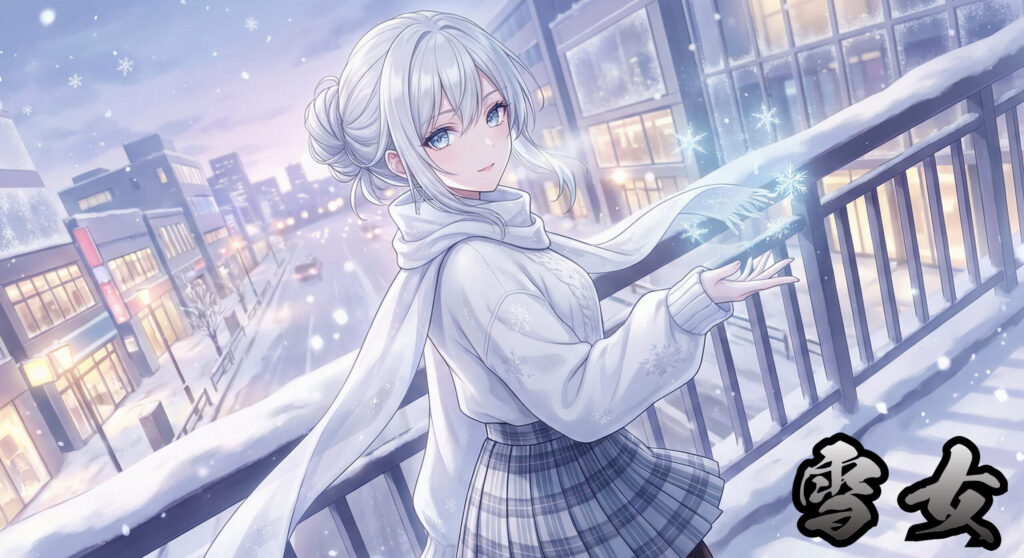
 Phantom Tone – Japanese Folklore Hip-Hop Project