Yasha – Wrathful Guardians and Fallen Spirits in Japanese Folklore
Yasha are among the most complex and emotionally charged figures in Japanese folklore: fierce, wrathful beings born from the intersection of Buddhist cosmology, warrior imagery, and human passion. Neither purely demonic nor purely divine, yasha occupy a volatile middle ground—figures of violent protection, obsession, and transformation.
Often portrayed with terrifying expressions, supernatural strength, and an aura of fury, yasha are driven by intense emotion. Unlike monsters that act out of instinct, yasha act out of purpose. Their violence is not random; it is directed, fueled by duty, love, hatred, or unresolved attachment.
Yasha embody the danger and necessity of wrath.
Origins in Buddhist Cosmology
The concept of yasha originates from the Indian yakṣa, a class of spirits associated with nature, wealth, and protection. Through Buddhism, yakṣa entered East Asian cosmology and were reinterpreted in Japan as yasha—beings often aligned with the protection of Buddhist law, sacred places, or cosmic order.
In this framework, yasha are not evil. They are guardians whose ferocity is justified by their role. Their terrifying appearance serves as deterrence, not cruelty.
However, as these ideas blended with local folklore, yasha began to absorb more human traits—emotion, obsession, and tragedy—expanding their narrative role beyond strict religious symbolism.
Appearance and Wrathful Form
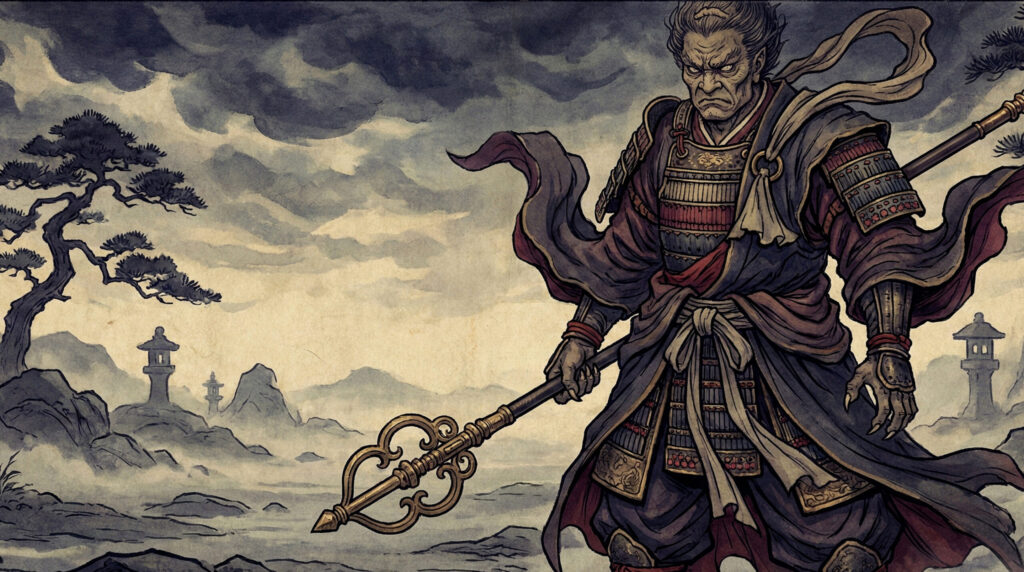
Yasha are typically depicted with overwhelming physical presence:
Muscular or armored bodies
Sharp fangs, horns, or wild hair
Burning eyes filled with rage or sorrow
Weapons such as swords, spears, or claws
Dynamic, aggressive postures
Their appearance reflects inner state. A yasha’s body manifests emotion—anger made flesh. Unlike oni, whose brutality may be blunt, yasha convey controlled violence, disciplined yet explosive.
They look like warriors who have crossed a spiritual threshold.
From Guardian to Fallen Being
A recurring theme in yasha lore is transformation. Some yasha are born as protectors of the Buddhist law. Others are humans who become yasha through overwhelming emotion—grief, jealousy, or unfulfilled devotion.
In these stories, love turns into obsession, duty into fixation. The yasha’s strength increases as their humanity erodes. This transformation is often irreversible, trapping them in a role defined by what they protect or pursue.
Unlike simple corruption narratives, yasha stories emphasize inevitability. Emotion, once unleashed, cannot be recalled.
Yasha and the Warrior Ideal
Yasha frequently overlap with warrior imagery. Their discipline, loyalty, and readiness to kill echo the values—and dangers—of martial devotion. In some tales, fallen warriors become yasha, continuing to fight beyond death.
This association frames yasha as cautionary figures. Absolute commitment may produce strength, but it also risks dehumanization. The line between protector and destroyer grows thin.
Yasha thus reflect anxieties about violence justified by duty.
Symbolism and Themes
Wrath as Protection
Yasha represent anger wielded in defense rather than chaos.
Transformation Through Emotion
They show how intense feeling reshapes identity.
Duty Without Release
Their suffering often stems from unending obligation.
Power at the Cost of Humanity
Strength increases as personal peace disappears.
Yasha in Folklore and Cultural Memory
Yasha appear in temple iconography, religious tales, and later folklore as both guardians and threats. Some are worshipped indirectly as protectors; others are feared as spirits unable to move on.
Their dual status—revered and feared—cements their ambiguity. They are not meant to be loved, but acknowledged.
In narrative, they often appear at moments of extreme tension, embodying forces unleashed when restraint collapses.
Modern Interpretations
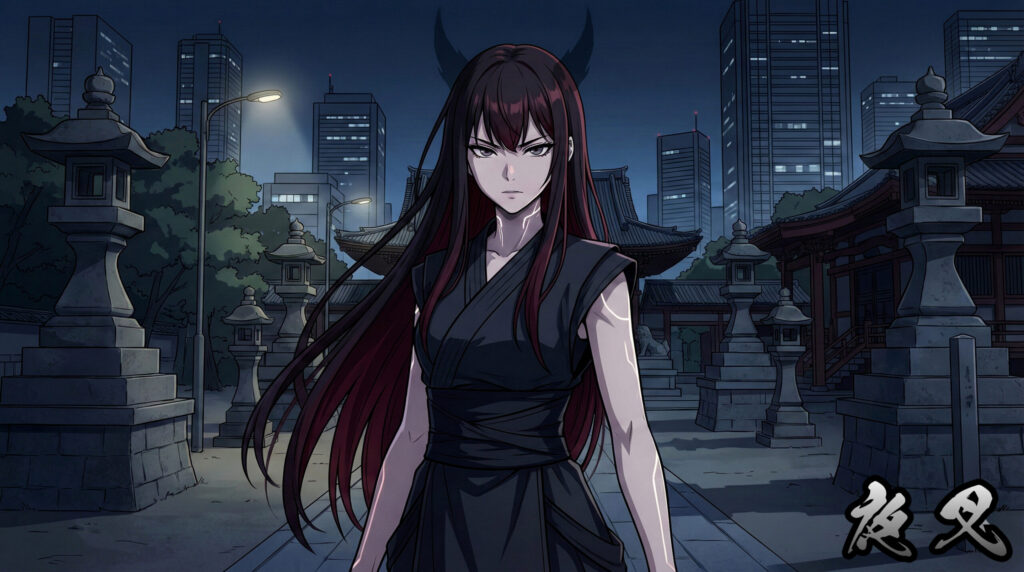
In modern media, yasha are frequently portrayed as tragic antiheroes or powerful antagonists—figures driven by loss or obsession rather than malice. Contemporary interpretations highlight internal conflict, reframing yasha as victims of their own intensity.
Despite stylistic changes, the core remains: yasha are defined by what they cannot let go of.
They persist because they reflect emotional extremes that modern audiences still recognize.
Conclusion – Yasha as the Shape of Unleashed Emotion
Yasha are not symbols of blind evil. They are symbols of emotion taken to its limit—anger refined into purpose, love hardened into violence, duty stripped of mercy.
They protect, but at a cost. They endure, but without rest. In their fury, yasha reveal the danger of strength unbalanced by release.
They stand as warnings carved in rage: power without peace becomes its own prison.
Music Inspired by Yasha
Music inspired by yasha often balances aggression with discipline. Driving rhythms, sharp percussion, and forceful motifs can evoke their wrathful energy.
At the same time, underlying melodic lines or recurring harmonic tension can suggest obsession and inner conflict beneath the violence. Sudden breaks or restrained passages mirror moments where humanity briefly surfaces—only to be overwhelmed again.
By fusing intensity with control, music inspired by yasha captures their essence: fury shaped into form, power sustained by emotion that never fully fades.
Dreamy and stylish
Genre: Ritual Japanese HipHop / Darkwave Folklore Produced by: Phantom Tone | Suno AI | Kotetsu Co., Ltd. Tags: #JapaneseHipHop #AIgeneratedMusic #Yokai #Phant…
 Phantom Tone – Japanese Folklore Hip-Hop Project