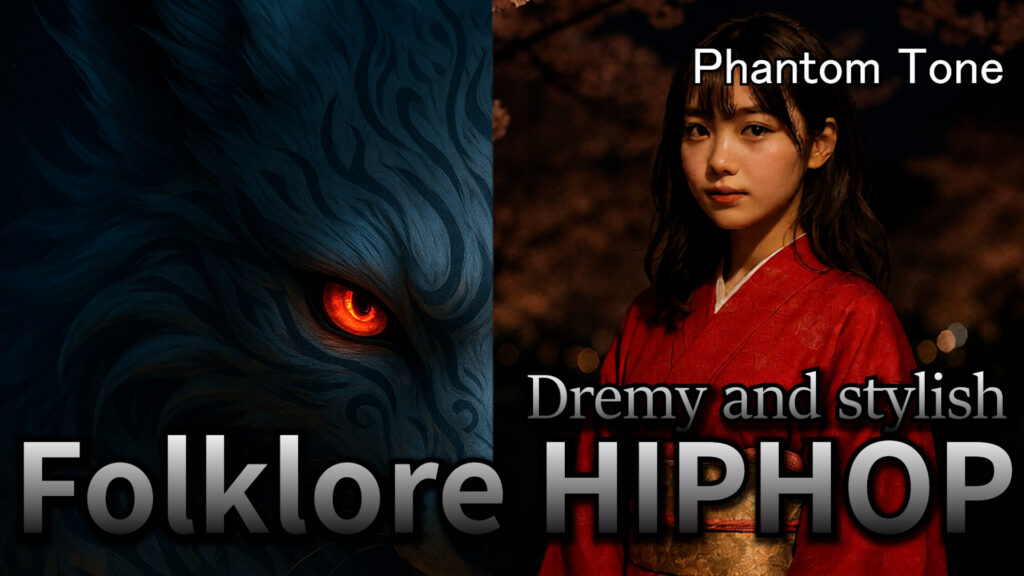

A river-bound maiden spirit associated with crossings and fords.
It represents aquatic liminality, boundary guardianship, and ritual femininity.
Primary Sources
Classical & Mythological Records
Medieval river-spirit maiden lore and water-bound feminine deities
河姫・河女・河辺巫女に関する中世説話資料
Boundary-maiden traditions tied to bridges, fords, and crossings
Modern Folklore References
Yanagita Kunio — river maiden and boundary spirit beliefs
Komatsu Kazuhiko — yōkai of aquatic liminality
Kawahime – The Liminal Maiden of Rivers in Japanese Folklore
Kawahime, the “River Princess,” is a graceful yet perilous figure in Japanese folklore: a feminine spirit bound to rivers, currents, and the spaces where land dissolves into water. Unlike monstrous water yōkai that attack openly, Kawahime embodies seduction, ambiguity, and the quiet pull of flowing water.
She is not a ruler of rivers, nor a guardian in the strict sense. She appears at the edges—where footing is uncertain and attention drifts. Kawahime does not force; she invites.
Kawahime embodies the river as a living threshold.
Origins in River Worship and Drowning Lore
Rivers in Japan have long been treated with reverence and fear. They provide life, transportation, and irrigation, yet claim lives through floods and unseen currents. Folklore responded by personifying the river’s dual nature.
Kawahime emerges from this context: part water deity, part apparition of drowned souls, part cautionary figure. In some traditions, she is the spirit of a woman who died in the river; in others, an ancient presence older than villages themselves.
Her identity shifts with the river’s mood.
Appearance and Gentle Deception
Descriptions of Kawahime emphasize beauty and calm:
A young woman standing near the riverbank
Long hair reflecting water’s sheen
Flowing garments that blend with mist
Eyes that seem deep and unreadable
She appears human, often serene or melancholic. Only subtle signs—wet footprints, unnatural stillness, or reflection without source—hint at her true nature.
The danger lies in misrecognition.
Encounters and the Pull of Water
Kawahime is often encountered at dusk, dawn, or during fog. She may beckon, watch silently, or simply be present. Those drawn to her may feel compelled to approach the water, losing awareness of depth or current.
She does not drag victims beneath the surface. Instead, they step where they should not, misjudge distance, or linger too long.
The river does the rest.
Between Protection and Peril
In some regional tales, Kawahime protects certain stretches of river, sparing those who show respect or caution. She may warn travelers indirectly—appearing to block passage or distract attention before danger.
This dual role reflects the river itself: neither enemy nor ally, but responsive to behavior.
Kawahime is not evil. She is conditional.
Symbolism and Themes
Seduction Without Malice
Attraction replaces aggression.
The River as Boundary
Life and death meet in flowing water.
Beauty and Danger Intertwined
Calm surfaces conceal force.
Respect for Nature
Survival depends on awareness, not strength.
Related Concepts
Kappa (河童)
River-dwelling yokai.
→ Kappa
Mizu no Kami (水の神)
Water deities.
Marebito (稀人)
Otherworldly visitors.
→ Marebito
Ikiryō (生霊)
Living spirit projections.
→ Ikiryō
Kawahime in Folklore and Art
Kawahime appears less frequently than well-known water yōkai, but her imagery persists in regional legends, poetry, and later visual reinterpretations. Artists often depict her blending into river scenery, her outline barely distinct from mist or reflection.
She is suggested rather than shown, reinforcing her role as an extension of the river itself.
Modern Cultural Interpretations

This blade symbolizes river-bound guardianship and boundary femininity.
It visualizes aquatic liminality condensed into weapon form.
In modern contexts, Kawahime is often reimagined as a symbol of environmental awareness, feminine liminality, and the psychological pull of dangerous calm. She may represent grief, memory, or the allure of surrender.
Contemporary portrayals frequently emphasize her tragic or protective aspects, softening her threat while preserving ambiguity.
In some modern visual reinterpretations, Kawahime manifests as a yōtō — a blade with a translucent, rippling edge. The sword seems to breathe like a river’s surface, embodying watchfulness rather than aggression.
She remains relevant because rivers still demand respect.
Modern Reinterpretation – Kawahime as the Invitation That Exists Before the River Moves
Kawahime is not a guardian. She is not a warning. She is not a protector.
She is approach.
The “beautiful girl” form does not explain rivers. She does not teach danger. She does not symbolize grief.
Her quiet presence represents the moment before motion — where the water has already decided, but the body has not.
She does not call. She does not stop. She does not guide.
In this visual form, Kawahime becomes a contemporary yokai of pre-movement — a spirit that exists only while the river still allows stepping to feel safe.
Musical Correspondence
The accompanying track transforms pre-movement into sound. Slow drifting tones, suspended harmony, and barely moving pulses evoke the moment where motion has already begun beneath stillness.
Silence acts not as rest, but as held breath — framing sound as what moves before intention notices.
Together, image and sound form a unified reinterpretation layer — a modern folklore artifact of water that has already decided.

She embodies aquatic liminality and ritual boundary grace.
Her presence reflects river femininity made visible.
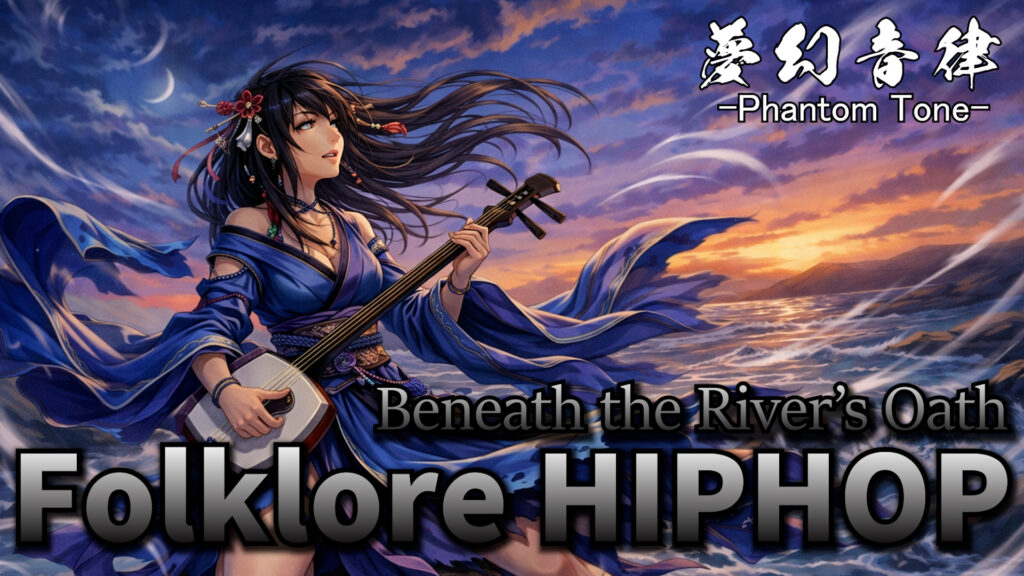
Beneath the River’s Oath
Genre: Japanese Folklore Hip-Hop, Ritual Lo-Fi Poetry Produced by: Phantom Tone | Suno AI | Kotetsu Co., Ltd. Tags: #AIgeneratedMusic #JapaneseHipHop #Folklore…
Dreamy and stylish
Genre: Ritual Japanese HipHop / Darkwave Folklore Produced by: Phantom Tone | Suno AI | Kotetsu Co., Ltd. Tags: #JapaneseHipHop #AIgeneratedMusic #Yokai #Phant…