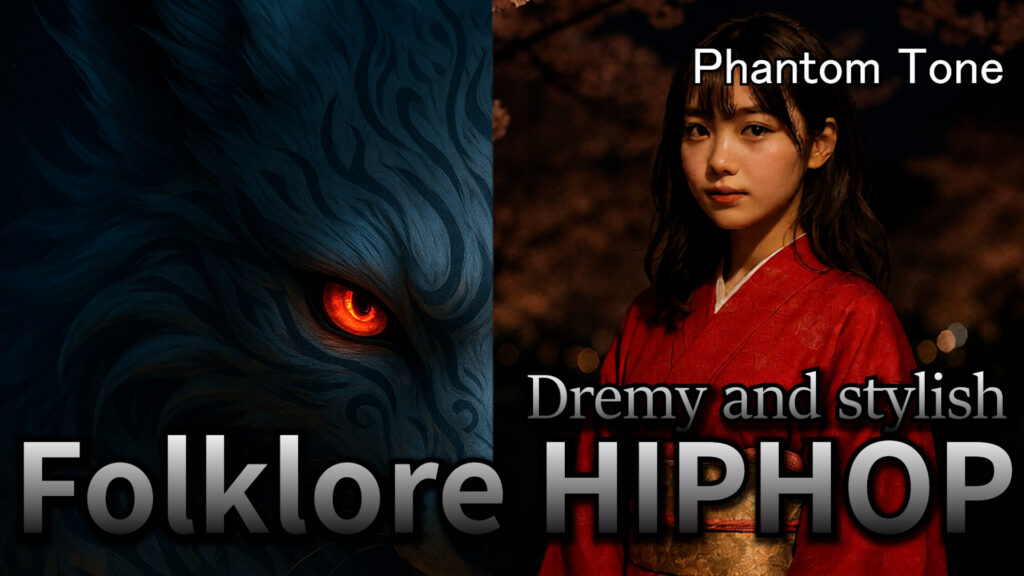

A ghostly skull-shaped flame appearing in graveyards and battlefields.
It represents restless dead, spiritual pollution, and lingering war memory.
Primary Sources
Classical & Mythological Records
Edo period dokurobi / skull-fire accounts in kaidan and yōkai scrolls
Graveyard and battlefield will-o’-the-wisp lore
髑髏火・戦場鬼火・墓所火霊に関する江戸期説話資料
Modern Folklore References
Yanagita Kunio — battlefield spirits and ghost fire beliefs
Komatsu Kazuhiko — yōkai of skull flames and death sites
Dokurobi – Flames Born from the Dead in Japanese Folklore
Dokurobi are among the most ominous and visually striking phenomena in Japanese folklore: ghostly flames said to arise from human skulls, battlefields, and places of mass death. Neither a living creature nor a simple fire, dokurobi are manifestations of lingering death—lights that burn without fuel and drift without wind.
Unlike yōkai that deceive or attack, dokurobi simply exist. Their presence signals unresolved death rather than active malice. To see one is not to be hunted, but to be reminded that something has not properly ended.
Dokurobi embody death that refuses to go dark.
Origins in Death and Battlefield Memory
Legends of dokurobi are closely tied to places where many people died at once: battlefields, execution grounds, mass graves, and abandoned ruins. In eras marked by war and famine, such places were common, and folklore sought ways to explain eerie lights seen at night.
Rather than imagining vengeful spirits with intent, dokurobi represent residue—life energy escaping from remains, especially skulls. This framing emphasizes accumulation rather than individuality. The fire does not belong to one soul, but to death itself.
Dokurobi thus function as collective memory made visible.
Appearance and Movement
Descriptions of dokurobi are consistent across regions:
Floating blue, green, or pale white flames
Soft, wavering light without heat
Slow drifting motion, often near the ground
Occasional resemblance to a skull shape
They are silent. They do not flicker like torches, nor blaze like wildfire. Their calm movement contrasts sharply with the violence that produced them.
This restraint heightens their dread.
Dokurobi and Human Encounter
Encountering dokurobi is rarely portrayed as immediately fatal. Instead, the danger lies in proximity and fixation. Those who approach may fall ill, lose their way, or suffer lingering misfortune.
In some stories, dokurobi gather in clusters, illuminating paths that should not be walked. Following them can lead travelers deeper into cursed ground or away from safety.
The flame does not force movement—it invites attention.
Skull, Fire, and Impermanence
The skull in Japanese symbolism often represents both death and emptiness. Fire represents transformation. Combined, dokurobi signify transition without completion.
Unlike funeral fires or ritual flames, dokurobi lack purpose. They burn without ceremony, indicating death unacknowledged or unrested.
This makes dokurobi especially potent reminders of impermanence and neglect.
Symbolism and Themes
Death Without Closure
Dokurobi arise where rituals failed or were impossible.
Collective Loss
They represent many deaths rather than one spirit.
Light Without Warmth
Illumination does not equal comfort.
Memory That Persists
The past remains visible in the present.
Related Concepts
Onibi (鬼火)
Will-o’-the-wisp spirits.
→ Onibi
Shiryō (死霊)
Lingering dead spirits.
→ Shiryō
Muen-botoke (無縁仏)
Unclaimed spirits.
→ Muen_botoke
Chinkon (鎮魂)
Ritual pacification.
Dokurobi in Art and Folklore
Dokurobi appear in yōkai scrolls, war tales, and later ghost stories as floating lights over fields of bones or ruined ground. Artists emphasize darkness and contrast—small flames against vast emptiness.
They are rarely central figures. Instead, they frame scenes, anchoring atmosphere rather than narrative.
Their subtle presence reinforces their role as signs rather than actors.
Modern Cultural Interpretations
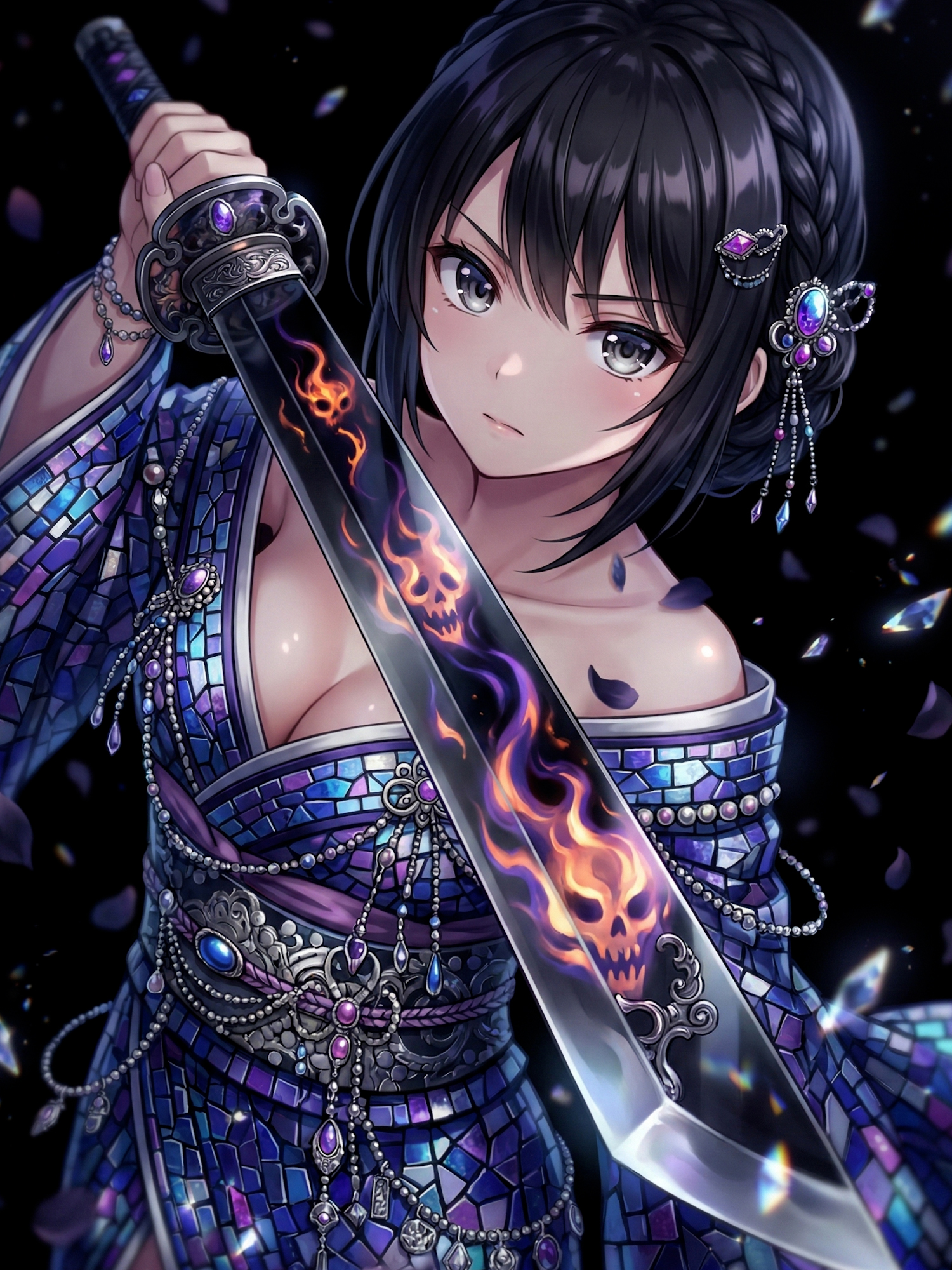
This blade symbolizes battlefield death and skull-bound flame.
It visualizes restless war memory condensed into weapon form.
In modern media, dokurobi are often stylized as ghostly fire effects or as visual markers of cursed places. Games and anime may exaggerate their motion or color, yet their underlying symbolism remains intact.
Contemporary readings frequently interpret dokurobi as metaphors for trauma, mass death, or historical violence that continues to surface across generations. What burns is not merely fire, but memory.
In some modern reinterpretations, dokurobi are imagined in the form of a yōtō — a cursed blade forged from residual death and unextinguished resentment. The sword becomes a vessel for accumulated loss, glowing not with power, but with unresolved pasts.
They endure because history does not disappear.
Modern Reinterpretation – Dokurobi as the Flame of Unfinished Death
Dokurobi is not fire. It is not heat, destruction, or aggression.
It is death that did not complete.
The “beautiful girl” form does not threaten. She does not burn. She does not pursue.
Her pale, undefined glow represents loss that was never resolved — memory that remained after ritual ended too soon.
She does not consume. She does not judge. She does not speak. She only remains.
In this visual form, Dokurobi becomes a contemporary yokai of unresolved ending — a spirit that exists not as flame, but as the persistence of what was never finished.
Musical Correspondence
The accompanying track transforms residual death into sound. Sustained drones, spectral harmonics, and drifting resonance evoke presence without destination.
Silence acts not as rest, but as absence that continues — framing sound as what remains when closure fails.
Together, image and sound form a unified reinterpretation layer — a modern folklore artifact of memory that refuses to extinguish, long after life has passed.

She embodies skull-fire and restless battlefield memory.
Her presence reflects unpacified death made visible.
Dreamy and stylish
Genre: Ritual Japanese HipHop / Darkwave Folklore Produced by: Phantom Tone | Suno AI | Kotetsu Co., Ltd. Tags: #JapaneseHipHop #AIgeneratedMusic #Yokai #Phant…