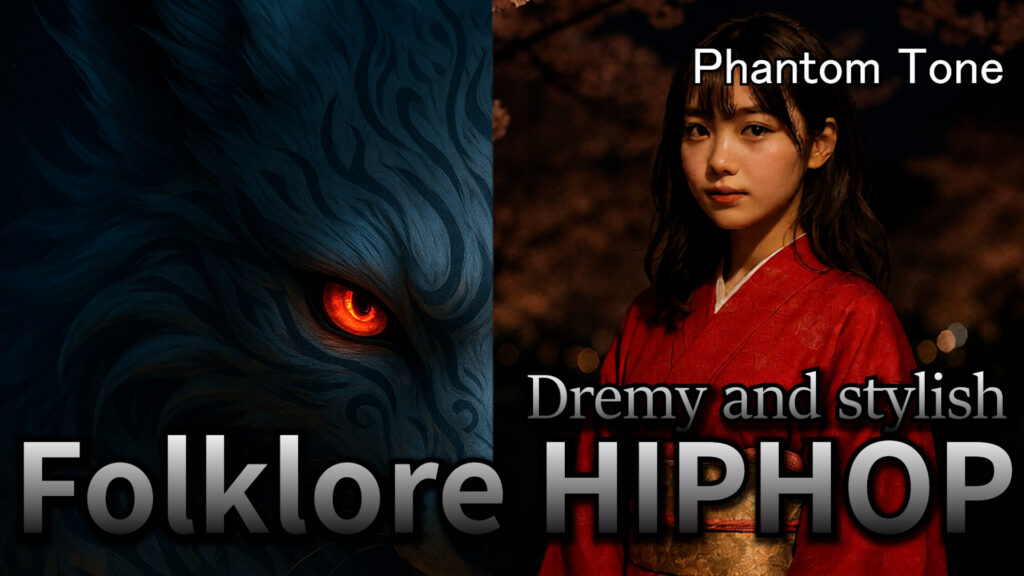

A mysterious coastal apparition associated with abnormal tides.
It represents maritime omen, sea-bound calamity, and boundary disruption.
Primary Sources
Classical & Mythological Records
Coastal tide-spirit and sea-bound omen traditions
Edo–Meiji maritime folklore on tidal calamities
潮汐怪異・海象変異に関する沿岸説話資料
Modern Folklore References
Yanagita Kunio — coastal sea omen beliefs
Komatsu Kazuhiko — yōkai of maritime phenomena
Chōseki no Kai – Apparitions Born from the Rhythm of the Tides in Japanese Folklore
Chōseki no Kai, literally “the Tidal Apparition,” is a conceptual yōkai rooted in Japanese coastal folklore: a mysterious presence said to emerge in sync with the ebb and flow of the sea. Neither a single named monster nor a fixed deity, it represents uncanny phenomena associated with tides—figures seen at low tide, sounds heard as the water retreats, and shadows that vanish when the sea returns.
Unlike aggressive sea monsters, chōseki no kai does not hunt or attack. It appears, recedes, and disappears, bound to the rhythm of the moon and ocean rather than human intent.
Chōseki no Kai embodies fear that moves in cycles.
Origins in Coastal Belief
Japanese coastal communities have long observed that the sea changes character with the tide. Paths appear and vanish, rocks emerge and submerge, and sounds travel differently across exposed flats.
Folklore gave form to this instability. Chōseki no Kai arose as an explanation for strange sightings during tidal transitions—moments when land and sea temporarily exchange roles. These apparitions were not constant spirits, but conditional ones, existing only when the tide allowed.
Rather than a singular myth, chōseki no kai represents accumulated coastal experience shaped into narrative.
Appearance and Manifestation
Descriptions of chōseki no kai vary, but common traits include:
Humanoid silhouettes standing on tidal flats
Shadowy figures near exposed rocks or reefs
Unidentifiable shapes seen at dusk or dawn
Forms that dissolve as waves return
They are often indistinct, blurred by mist, reflection, or distance. Many accounts emphasize uncertainty—witnesses are never fully sure what they saw.
This ambiguity is essential. Chōseki no Kai is defined by liminality rather than form.
Tides as Thresholds
The tide itself is central to the yōkai’s nature. High tide conceals; low tide reveals. Chōseki no Kai exists only during this revelation, when the sea temporarily withdraws its authority.
In folklore, this withdrawal is dangerous. The exposed seabed invites exploration but conceals risk. The apparition serves as a warning: what is revealed is not meant to be approached lightly.
The return of the tide erases both the path and the presence.
Human Encounters and Consequence
Encounters with chōseki no kai are rarely violent. Instead, they are disorienting. People who follow the figure may lose track of time, misjudge distances, or fail to notice the returning tide.
The danger lies in fixation. Watching the apparition too long can mean forgetting the sea’s rhythm. When water returns, it does so without regard for human attention.
In this way, chōseki no kai punishes not curiosity, but inattention to cycles.
Symbolism and Themes
Cyclical Fear
Danger arrives and retreats predictably, yet remains deadly.
Liminal Existence
The apparition exists only between states.
Illusion of Access
Revealed land tempts, but does not belong to humans.
Nature’s Indifference
The tide erases without intent or malice.
Related Concepts
Watatsumi (海神)
Sea deities.
→ Watatsumi
Umibōzu (海坊主)
Colossal sea spirits.
→ Umibōzu
Funayūrei (船幽霊)
Ghosts of drowned sailors.
→ Funayūrei
Marebito (稀人)
Otherworldly visitors.
→ Marebito
Chōseki no Kai in Folklore Memory
Unlike named yōkai with fixed iconography, chōseki no kai persists through oral accounts and regional warnings. Fishermen, divers, and coastal travelers pass down stories of “things seen at low tide.”
These stories often end without resolution. The figure vanishes, the tide returns, and life continues—marked only by unease.
The lack of closure reinforces the lesson: some phenomena are not meant to be explained.
Modern Cultural Interpretations
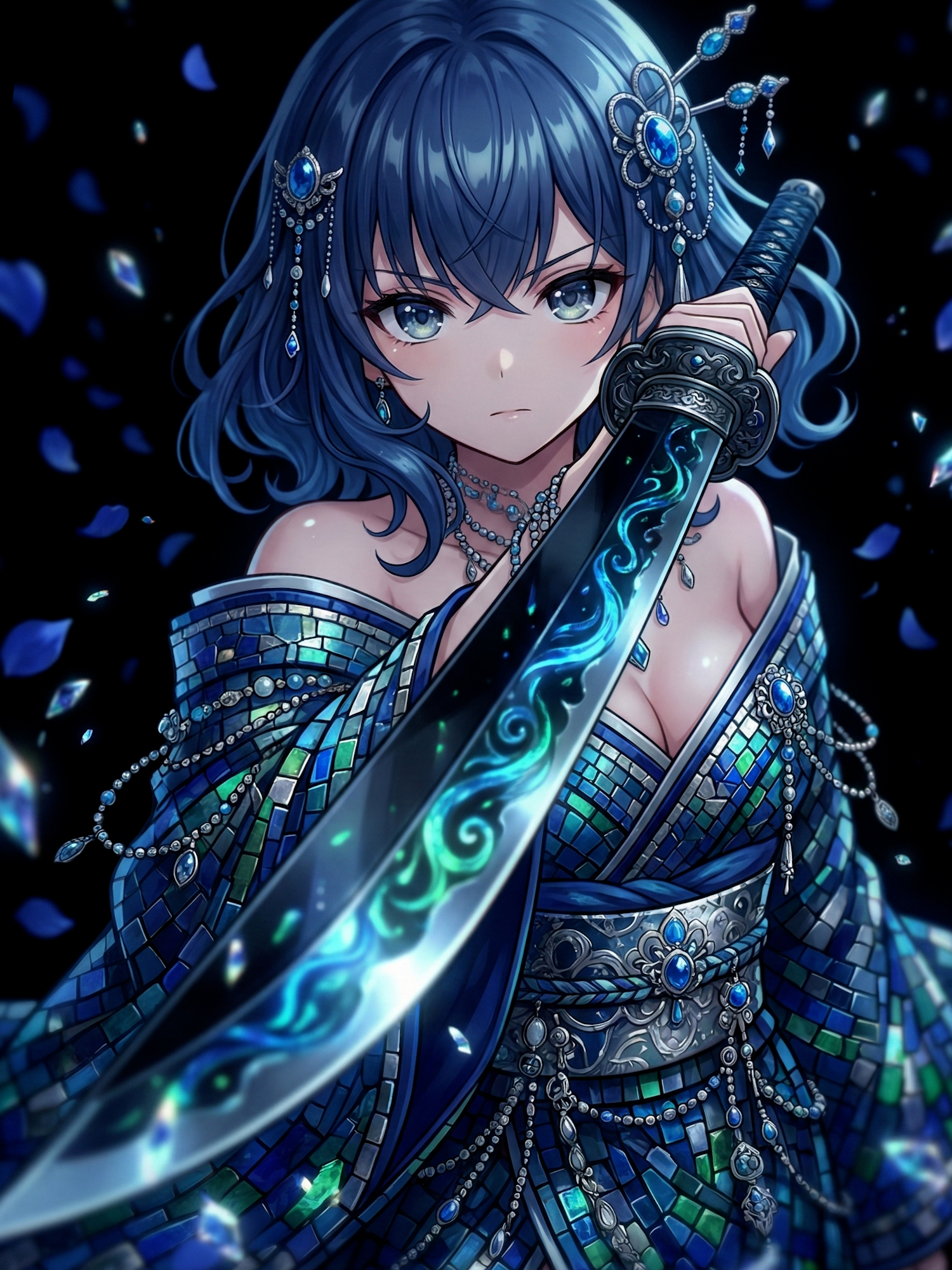
This blade symbolizes tidal calamity and coastal boundary disruption.
It visualizes sea-bound omen condensed into weapon form.
In modern contexts, chōseki no kai can be read as a metaphor for environmental rhythm and human overconfidence. As coastlines change and tidal patterns shift, the old warnings gain new relevance.
Contemporary art and media sometimes depict tidal apparitions as symbols of climate anxiety or forgotten boundaries — echoing original folkloric logic without naming it directly.
In some modern visual reinterpretations, chōseki no kai manifest as a yōtō — a blade etched with tidal lines. The sword appears to rise and fall with unseen water, embodying rhythm rather than strike.
The concept survives because the tide still governs.
Modern Reinterpretation – Chōseki no Kai as the Shape of the Receding Sea
Chōseki no Kai is not a monster. It does not hunt. It does not wait.
It is the sea stepping back.
The “beautiful girl” form does not lure. She does not chase. She does not hide.
Her distant, pale presence represents rhythm older than warning — a coastline revealed before danger is understood.
She does not threaten. She does not speak. She does not remain.
She appears only while the tide is gone.
In this visual form, Chōseki no Kai becomes a contemporary yokai of revealed boundary — a spirit that exists only in the interval before the sea returns.
Musical Correspondence
The accompanying track transforms exposed coastline into sound. Slow swells, receding drones, and suspended harmonic motion evoke tide without arrival.
Silence acts not as rest, but as distance — framing sound as shoreline that will soon vanish.
Together, image and sound form a unified reinterpretation layer — a modern folklore artifact of rhythm that appears, withdraws, and leaves no trace.

She embodies tidal omen and coastal disturbance.
Her presence reflects sea-bound calamity made visible.
Dreamy and stylish
Genre: Ritual Japanese HipHop / Darkwave Folklore Produced by: Phantom Tone | Suno AI | Kotetsu Co., Ltd. Tags: #JapaneseHipHop #AIgeneratedMusic #Yokai #Phant…