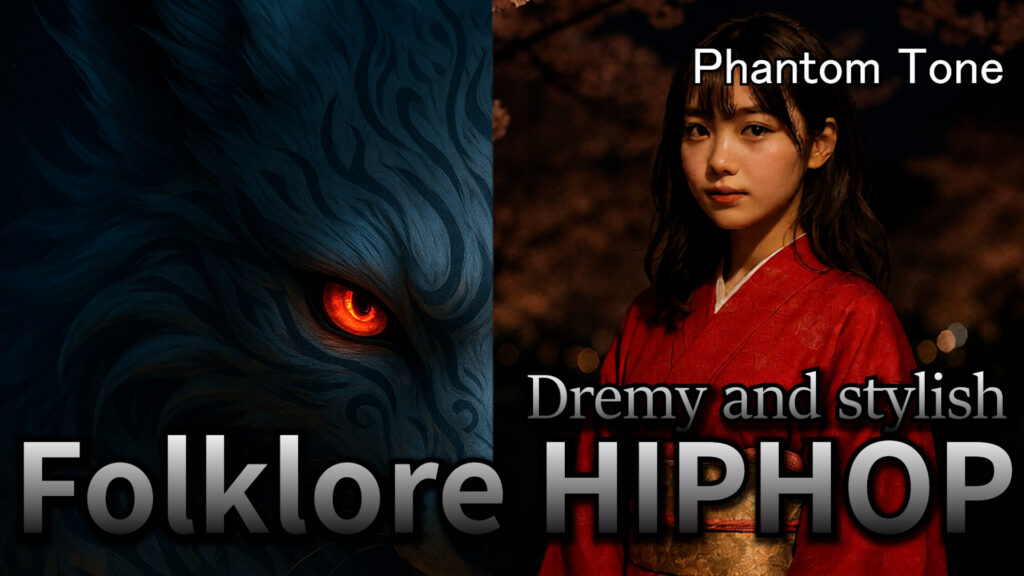

A lingering spirit of the dead bound to places of death or pollution.
It represents impurity, stagnation, and unresolved passage.
Primary Sources
Classical & Mythological Records
Heian–Kamakura period dead-spirit and curse records
Setsuwa collections describing lingering spirits and death pollution
死霊・穢れ霊・冥界漂流霊に関する中世説話資料
Modern Folklore References
Yanagita Kunio — dead spirit and pollution beliefs
Komatsu Kazuhiko — yōkai of lingering death and spiritual impurity
Shiryō – The Spirit That Remains After Death in Japanese Folklore
Shiryō, often translated as “the spirit of the dead,” refers to a category of beings in Japanese folklore formed when a human soul does not fully depart after death. Unlike yōkai born from nature or objects, shiryō originate directly from human existence—and from what was left unresolved.
They are not summoned.
They are not created deliberately.
They remain.
Shiryō embody death that failed to conclude.
Origins in Unfinished Death
Japanese folklore places great importance on proper death rituals, burial, and mourning. When these processes are interrupted—by sudden death, violence, betrayal, or intense emotion—the soul may linger.
Shiryō arise from such conditions. They are not necessarily vengeful, but they are incomplete. Something essential—closure, release, recognition—was denied.
Death occurred.
Departure did not.
Distinction from Other Spirits
Shiryō differ from other supernatural entities in key ways:
They are not transformed into yōkai by time or neglect
They are not elevated into deities
They are not always driven by hatred
This distinguishes them from onryō (vengeful spirits) or ikiryō (living spirits). Shiryō are quieter, less defined. Their presence is often passive, yet deeply unsettling.
They exist because they cannot move on.
Appearance and Presence
Descriptions of shiryō vary, but common traits include:
A faint or incomplete human form
Blurred facial features
Cold air or pressure in their vicinity
A sense of absence rather than threat
Often, shiryō are not clearly seen at all. They are felt—through mood, memory, or disturbance.
The room remembers them.
Interaction with the Living
Shiryō rarely attack. Instead, they influence subtly:
Causing recurring dreams or visions
Lingering near familiar places
Triggering emotional unease or sorrow
Repeating gestures tied to their final moments
They may be bound to locations, objects, or people connected to their life. The interaction is repetitive, almost mechanical.
They replay what they could not finish.
Emotion Without Direction
Unlike onryō, shiryō are not always fueled by rage. Their emotional state is often diffuse:
Regret without target
Longing without voice
Sadness without release
This lack of focus makes them harder to appease. There is no single action that resolves them.
They persist through inertia.
Symbolism and Themes
Death Without Closure
Endings require ritual.
Memory as Binding Force
The past holds the soul.
Human Fragility
Even death can fail.
Silence After Life
Existence without purpose.
Related Concepts
Onryō (怨霊)
Vengeful spirits.
→ Onryō
Muen-botoke (無縁仏)
Unclaimed spirits.
→ Muen_botoke
Kasha (火車)
Corpse-stealing spirits.
→ Kasha
Chinkon (鎮魂)
Ritual pacification.
Shiryō in Folklore and Cultural Memory
Shiryō appear in ghost stories, temple records, and oral traditions as explanations for lingering presences rather than dramatic hauntings. They are often associated with places that feel “heavy” or “unfinished.”
Their stories rarely end with triumph. Resolution, when it comes, is quiet—through prayer, remembrance, or time.
They fade.
They do not fall.
Modern Cultural Interpretations
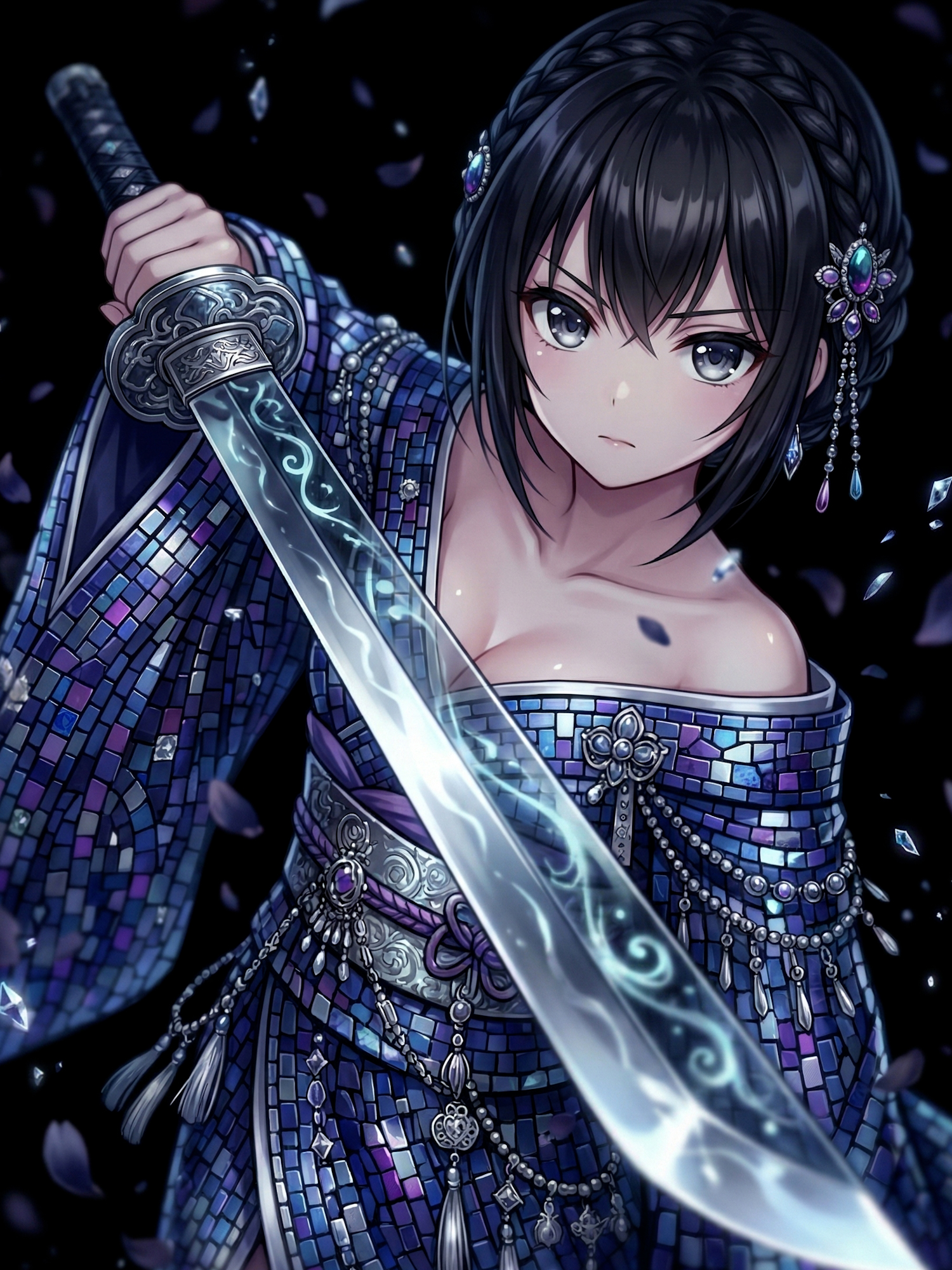
This blade symbolizes lingering death and spiritual pollution.
It visualizes unresolved passage condensed into weapon form.
In modern contexts, shiryō are often interpreted as metaphors for unresolved grief, trauma, and memories that refuse to settle.
Psychologically, they represent emotional residue — experiences that were never processed and therefore remain active.
In some modern visual reinterpretations, shiryō manifest as a yōtō — a blade that appears misted, as if half absent. The sword cuts through atmosphere rather than flesh, embodying presence without closure.
Shiryō endure because unresolved feelings still linger after loss.
Modern Reinterpretation – Shiryō as the Dead Who Were Never Released
Shiryō are not spirits that wander. They do not pursue. They do not call.
They remain.
The “beautiful girl” form does not explain. She does not weep. She does not accuse.
Her quiet, misted presence represents loss without closure — lives that ended without passage.
She does not depart. She does not return. She does not rest.
She remains where ritual was missed and farewell never arrived.
In this visual form, Shiryō becomes a contemporary yokai of unresolved presence — a spirit that exists only because nothing told it how to leave.
Musical Correspondence
The accompanying track transforms residue into sound. Soft drones, suspended tones, and unresolved harmonic motion evoke presence without destination.
Silence acts not as rest, but as emotional weight — framing sound as something that lingers after meaning.
Together, image and sound form a unified reinterpretation layer — a modern folklore artifact of loss that remains after departure failed.

She embodies stagnation and spiritual impurity.
Her presence reflects unresolved death made visible.
Dreamy and stylish
Genre: Ritual Japanese HipHop / Darkwave Folklore Produced by: Phantom Tone | Suno AI | Kotetsu Co., Ltd. Tags: #JapaneseHipHop #AIgeneratedMusic #Yokai #Phant…