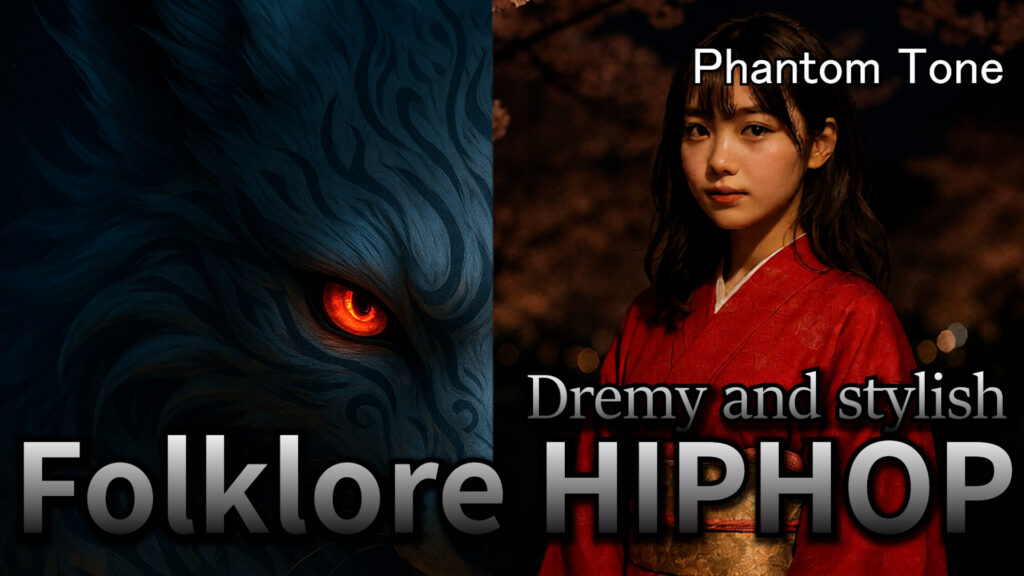

A subordinate spirit assisting death deities in soul retrieval.
It represents service, inevitability, and terminal guidance.
Primary Sources
Classical & Mythological Records
Edo–Meiji period death-attendant spirit lore and funeral servant beliefs
Setsuwa collections describing soul-guiding attendants
冥界使者の従者・死神随行霊に関する民間説話資料
Modern Folklore References
Yanagita Kunio — death-bound servant spirits
Komatsu Kazuhiko — auxiliary yōkai of soul retrieval
Shinigami no Jūsha – Silent Attendants of Death in Japanese Folklore
Shinigami no Jūsha, “the Servants of Death,” are liminal figures that appear at the edges of Japanese death folklore: beings who do not claim lives themselves, but accompany, prepare, or guide the moment of passing. Unlike shinigami, who embody the inevitability of death, their attendants exist to ensure that death proceeds quietly and without disruption.
They are not judges, executioners, or messengers. They are presence—watchful, unobtrusive, and precise. Their role is not to decide who dies, but to make sure that the transition occurs.
Shinigami no Jūsha embody death as administration rather than violence.
Origins in Process, Not Myth
Unlike named yōkai rooted in ancient myth, the idea of death’s attendants emerges from later folk imagination shaped by Buddhism, ritual practice, and everyday observation of dying. Death in Japan was not imagined as a single act, but as a sequence: weakening, separation, departure, and aftermath.
Shinigami no Jūsha arise to fill the spaces between these stages. They are imagined where silence is required—beside beds, at thresholds, or along unseen paths between worlds.
Rather than originating from a single legend, they exist as a functional concept repeated across regions and stories.
Appearance and Subtle Form
Descriptions of shinigami no jūsha are deliberately restrained:
Shadowed human-like figures
Monk-like or official silhouettes
Pale or indistinct faces
Eyes that avoid direct contact
Clothing suggesting ritual or travel
They are rarely described clearly. In many accounts, they are noticed only after death has occurred—remembered as “someone who was there.”
Their indistinctness reinforces their role: to assist without being remembered.
Function and Role
The servants’ duties vary by interpretation, but commonly include:
Preparing the soul for departure
Guiding spirits away from the living
Ensuring death occurs without resistance
Preventing lingering attachment
They do not argue, threaten, or comfort. Their interaction with humans is minimal, sometimes limited to a glance or a sense of being observed.
They do not rush death—but they do not delay it either.
Relationship to Shinigami
While shinigami represent death itself, their attendants represent order. If shinigami are inevitability, shinigami no jūsha are procedure.
This distinction removes drama from death. The attendants do not carry scythes or issue proclamations. Their presence suggests that death is not an event, but a system—one that functions whether noticed or not.
In this sense, they are more unsettling than their master.
Symbolism and Themes
Death as Process
Passing is gradual, structured, and managed.
Silence Over Spectacle
The most important moments happen quietly.
Detachment Without Cruelty
They act without malice or emotion.
The Unseen Workforce
Even death requires unseen labor.
Related Concepts
Shinigami (死神)
Personifications of death.
→ Shinigami
Kasha (火車)
Funerary corpse-stealing spirits.
→ Kasha
Muen-botoke (無縁仏)
Unclaimed spirits.
→ Muen_botoke
Chinkon (鎮魂)
Ritual pacification.
Shinigami no Jūsha in Folklore and Cultural Imagination
Stories involving death’s attendants are often fragmentary. A dying person mentions “someone standing there.” A witness recalls an extra figure at a funeral. A traveler dreams of being guided by a faceless companion.
These fragments reinforce the idea that the attendants are not meant to be understood fully. Their reality is implied rather than asserted.
They exist to be forgotten.
Modern Cultural Interpretations
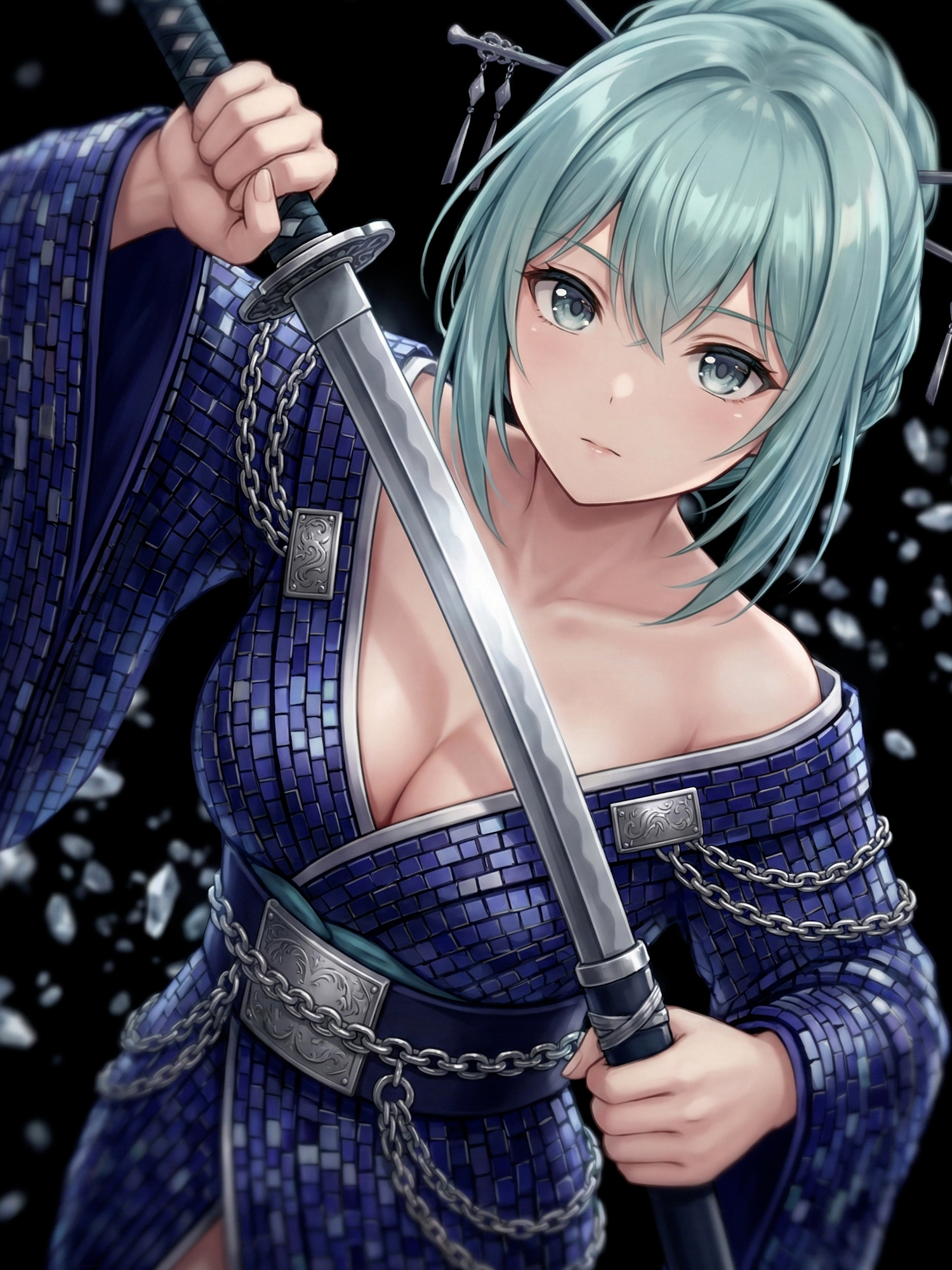
This blade symbolizes subordinate soul retrieval and terminal service.
It visualizes death’s attendants condensed into weapon form.
In modern interpretations, shinigami no jūsha are sometimes portrayed as clerks, guides, or silent escorts — reflecting contemporary anxiety about systems that operate beyond individual control.
They may symbolize hospice care, institutional death, or the depersonalization of dying. Yet their traditional power lies in restraint: they do not explain themselves.
In some modern visual reinterpretations, shinigami no jūsha manifest as a yōtō — a blade carried but never drawn. The sword exists as protocol rather than threat, ensuring process rather than punishment.
They simply ensure that nothing interferes.
Modern Reinterpretation – Shinigami no Jūsha as the Quiet Machinery of Death
Shinigami no Jūsha do not judge. They do not threaten. They do not hesitate.
They ensure.
The “beautiful girl” form does not dramatize. She does not mourn. She does not command.
Her distant, restrained presence represents death as process — the passage that completes rather than punishes.
She does not interfere. She does not explain. She does not remain.
She stands only until the crossing is complete.
In this visual form, Shinigami no Jūsha becomes a contemporary yokai of procedural presence — a spirit that exists only to ensure that nothing interrupts the final passage.
Musical Correspondence
The accompanying track transforms completion into sound. Measured pulses, restrained drones, and minimal harmonic movement evoke procedural calm.
Silence acts not as absence, but as structure — framing sound as something that moves without emotion.
Together, image and sound form a unified reinterpretation layer — a modern folklore artifact of death as flawless process.

She embodies terminal service and soul-guiding duty.
Her presence reflects death’s attendants made visible.
Dreamy and stylish
Genre: Ritual Japanese HipHop / Darkwave Folklore Produced by: Phantom Tone | Suno AI | Kotetsu Co., Ltd. Tags: #JapaneseHipHop #AIgeneratedMusic #Yokai #Phant…