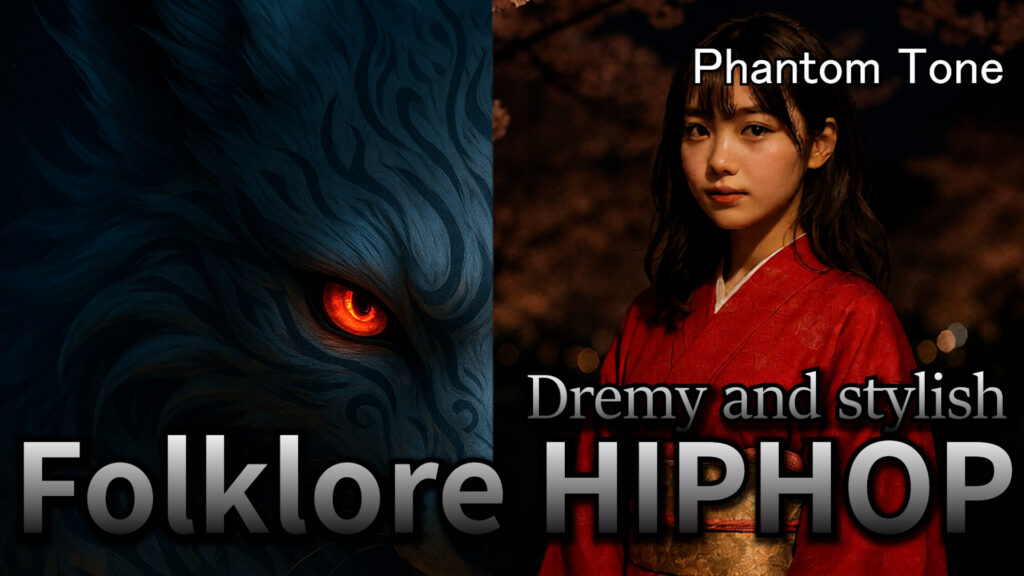

A wandering male yōkai who brings unseasonal rainfall.
It represents misfortune, decay, and weather-bound unrest.
Primary Sources
Classical & Mythological Records
Nihon Shoki (日本書紀)
Bizen Fudoki (備前国風土記)
Kibi region mythological traditions
Modern Folklore References
Yanagita Kunio — Kibi demon folklore
Komatsu Kazuhiko — Yōkai Encyclopedia
Ame-otoko – Men Who Carry the Rain in Japanese Folklore
Ame-otoko, or “rain men,” are understated figures in Japanese folklore: male counterparts to ame-onna, whose presence is believed to invite rain, clouds, and unsettled weather. They are not fearsome yōkai nor divine beings, but atmospheric presences whose influence manifests quietly through the sky itself.
Unlike monsters that attack or deceive, ame-otoko alter conditions rather than events. Wherever they linger, rain follows. Their power is passive, persistent, and often unintended—making them symbols not of malice, but of inescapable circumstance.
Ame-otoko embody the weight of weather as destiny.
Origins and Folk Interpretation
The concept of ame-otoko developed from everyday observation rather than formal mythology. In agrarian societies, repeated coincidence between an individual’s presence and rainfall demanded explanation. Folklore provided one.
Unlike named yōkai with fixed legends, ame-otoko function as a descriptive category. They are identified after the fact—people whom rain seems to follow. Over time, this pattern acquired supernatural nuance, especially when rain brought misfortune to travel, ceremony, or battle.
In some regional beliefs, ame-otoko are wandering spirits or transformed humans. In others, they are simply unlucky men whose fate is bound to weather.
Appearance and Presence
Descriptions of ame-otoko are vague and minimal:
Ordinary male figures
Often appearing during overcast or rainy conditions
Dark or travel-worn clothing
A subdued or withdrawn demeanor
They lack striking supernatural features. Their otherness lies not in appearance, but in association. Rain becomes their signature.
This subtlety reinforces their folkloric role as explanations rather than characters.
Rain as Burden, Not Power
Unlike storm deities, ame-otoko do not command rain. They carry it. Their arrival coincides with dampness, mud, delayed journeys, and lowered spirits.
In narrative terms, rain represents interruption—plans disrupted, paths slowed, emotions weighed down. Ame-otoko embody this interruption as fate attached to a person rather than an event.
They do not cause disaster. They complicate life.
Social and Emotional Interpretation
Ame-otoko folklore often carries an undercurrent of isolation. Being associated with rain marks one as inconvenient, unlucky, or quietly avoided. This social distance mirrors the emotional effect of prolonged bad weather.
Some stories portray ame-otoko as resigned figures, aware of their effect but unable to change it. Others treat them humorously, softening superstition into personality.
In either case, the rain is not punishment—it is condition.
Symbolism and Themes
Weather as Fate
Ame-otoko represent circumstances beyond control.
Quiet Misfortune
Their presence disrupts without hostility.
Masculinity and Endurance
They embody silent persistence rather than action.
Coincidence Made Meaningful
Folklore transforms chance into narrative.
Related Concepts
Ame-onna (雨女)
Rain-associated female yōkai.
→Ame-onna
Amefuri-bōzu (雨降り坊主)
Rain-bringing spirits.
Yuki-onna (雪女)
Weather-associated female yōkai.
→Yuki-onna
Marebito (稀人)
Otherworldly visitors.
→Marebito
Ame-otoko in Cultural Memory
Unlike dramatic yōkai, ame-otoko rarely appear in classical art. Their presence survives mainly through language, anecdote, and metaphor. The term itself persists as a cultural shorthand for unlucky coincidence.
This linguistic survival underscores their function: not as monsters to fear, but as patterns to recognize.
Modern Cultural Interpretations
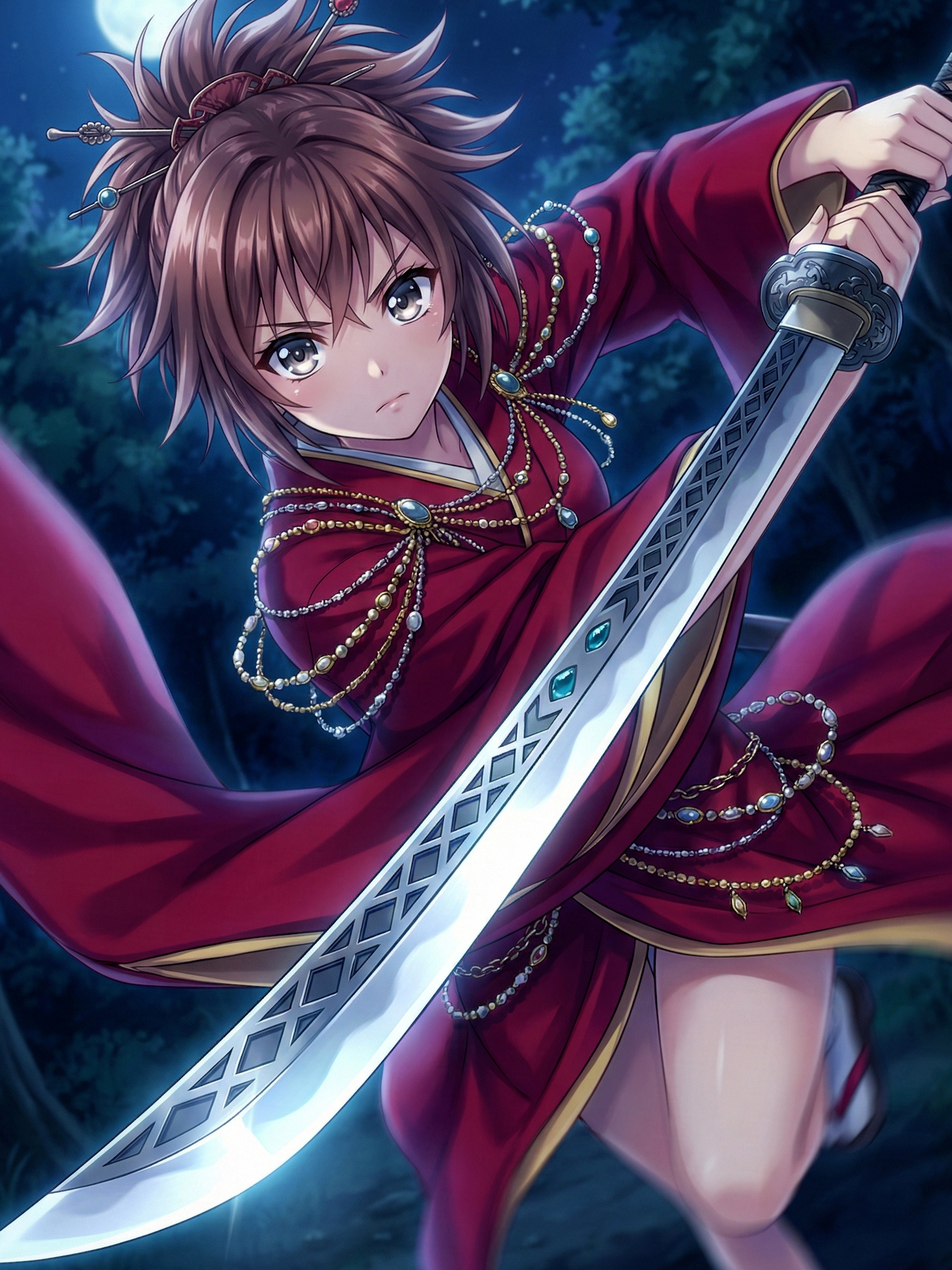
This blade symbolizes unseasonal rain and ritual disruption.
It visualizes weather-bound unrest condensed into weapon form.
In modern usage, “rain man” is often employed humorously to describe someone who seems to bring rain to events or trips. While the supernatural element has softened, the folkloric logic remains.
Contemporary reinterpretations sometimes frame ame-otoko as symbols of emotional heaviness, social awkwardness, or internalized gloom — conditions that follow individuals regardless of intention.
In some modern visual reinterpretations, ame-otoko manifests as a yōtō — a blade that carries damp weight rather than shine. The sword draws atmosphere into its steel, embodying weather as mood.
Their relevance endures because weather still shapes experience.
Modern Reinterpretation – Ame-otoko as Figures of Unavoidable Circumstance
In this modern reinterpretation, Ame-otoko — the “rain man” — stands as a symbol not of misfortune, but of inevitability. What was once a folkloric curiosity has become a cultural metaphor: the person who carries gray skies wherever they go. The supernatural has faded, yet the emotional weather remains. Whether invoked humorously or with quiet sympathy, the Ame-otoko embodies the condition of being marked by circumstance rather than choice.
The “solitary traveler” visualization depicts him walking beneath a vast, unbroken drizzle. His umbrella tilts slightly, not in defiance but in weary acceptance. Raindrops cling to his coat and hair, yet his expression is calm — neither frustrated nor defeated. Around him, the world blurs into reflection: puddles merge sky and ground, and the faint hum of water replaces speech. He is not pursued by the rain; he simply carries its presence with him, like a shadow made of sound.
The yōtō associated with his myth is known as the “Blade of Damped Light.” Its edge absorbs brilliance rather than reflecting it. The metal appears darkened, as if perpetually wet, and each movement leaves faint trails of mist. This sword does not strike — it moves slowly, with weight and inevitability. To wield it is to carry the atmosphere itself, turning mood into matter. The Ame-otoko’s weapon, like his presence, changes nothing directly — it alters the air around him.
Through this interpretation, Ame-otoko becomes a meditation on coexistence with inevitability. He is not cursed, nor blessed; he simply is. His story mirrors the quiet resignation of life’s weather — the awareness that some days will not brighten, yet must still be lived. The Ame-otoko endures because humanity recognizes itself in that image: walking forward while the rain continues, not waiting for permission from the sky.
Musical Correspondence
The composition unfolds as a subdued continuum — muted percussion, steady tempo, and rhythmic persistence. Electric piano or lo-fi guitar outlines the path of quiet endurance, while a soft bassline carries forward motion. Reverb and ambient textures mimic rainfall without explicit sound design, evoking a sense of damp air and distance.
Melodic phrasing is restrained, looping like footsteps through puddles. Harmonic tension remains unresolved, mirroring the feeling of progress without destination. Occasional minor modulations add emotional depth without breaking calm — the music sighs rather than cries.
By embracing subtle motion and subdued color, the soundscape captures Ame-otoko’s essence: not tragedy, but persistence. It is the rhythm of walking beneath endless rain — moving forward not to escape it, but to exist within it.

She embodies wandering rainfall and quiet misfortune.
Her presence reflects unsettled weather made visible.
Dreamy and stylish
Genre: Ritual Japanese HipHop / Darkwave Folklore Produced by: Phantom Tone | Suno AI | Kotetsu Co., Ltd. Tags: #JapaneseHipHop #AIgeneratedMusic #Yokai #Phant…