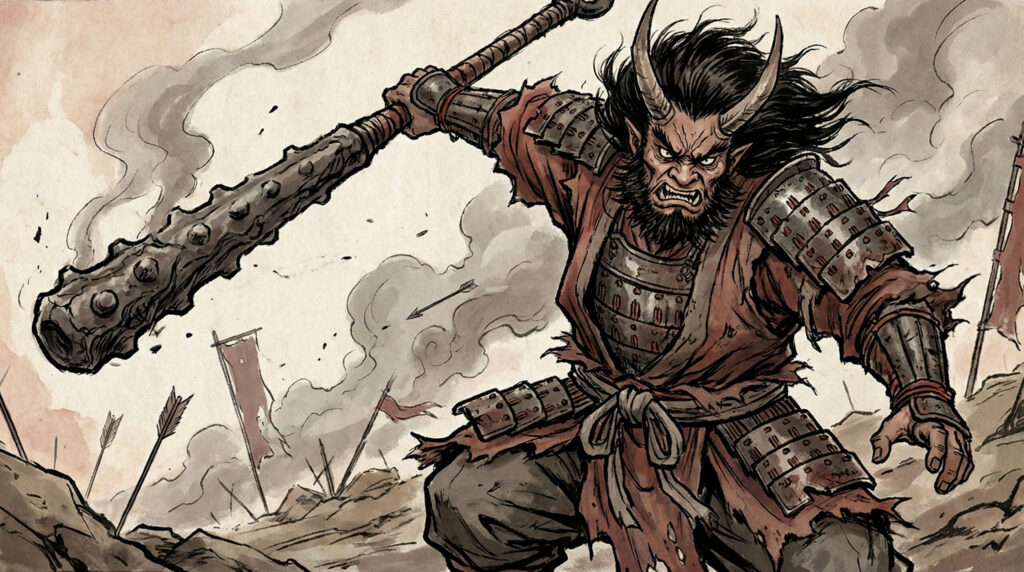
A horned demon of the Kibi region defeated by Kibitsuhiko.
It represents rebellion, calamity, and divine subjugation.
Primary Sources
Classical & Mythological Records
- Nihon Shoki (日本書紀)
- Bizen Fudoki (備前国風土記)
- Kibi region mythological traditions
Modern Folklore References
- Yanagita Kunio — Kibi demon folklore
- Komatsu Kazuhiko — Yōkai Encyclopedia
Ura – The Demonized King Who Resisted the Yamato Order in Japanese Folklore
Ura is a legendary figure from ancient Japan, remembered as a fearsome oni but likely rooted in the memory of a powerful local ruler. Centered in the region of Kibi (present-day Okayama), Ura stands at the boundary between history and myth, where political resistance becomes demonology.
He was not born a demon.
He was named one.
Ura embodies the transformation of defeated authority into monstrosity.
Origins in the Kibi Region and Early State Formation
The legend of Ura appears most clearly in the Nihon Shoki and later regional traditions. He is described as an oni who terrorized Kibi until defeated by Kibitsuhiko-no-Mikoto, a prince of the Yamato court.
From a historical perspective, this narrative aligns with the expansion of Yamato power into regional polities. Figures like Ura likely represent indigenous leaders or rival elites who resisted central authority.
Conquest becomes legend.
Resistance becomes evil.
From Chieftain to Oni
Descriptions of Ura emphasize traits that mark him as other-than-human:
Immense physical strength
Sharp fangs and fearsome appearance
Command over local followers
Association with iron, fire, and fortifications
These traits mirror those attributed to powerful human leaders—recast as monstrous to legitimize their defeat.
The demon is political memory in disguise.
Appearance as Ideological Construction
Ura’s oni form is symbolic rather than zoological:
Horns signify illegitimate power
Fangs denote savagery
Size implies threat to order
His body is not evidence. It is accusation.
To call someone an oni is to deny their right to rule.
Behavior: Resistance Framed as Terror
In legend, Ura is said to raid villages and defy imperial forces. In historical reading, these acts align with defense of territory and resources.
Violence is contextual.
Narrative assigns motive.
What the center calls terror, the periphery calls defense.
Relationship with Kibitsuhiko-no-Mikoto
The defeat of Ura by Kibitsuhiko represents more than heroic victory. It symbolizes incorporation of Kibi into Yamato cosmology.
After Ura’s death, parts of his body become ritual objects, and his spirit is appeased rather than erased—suggesting acknowledgment of lingering power.
Even defeated, he must be honored.
Ura Among Oni Figures
Ura occupies a unique position among oni:
- Shuten Dōji – outlawed excess
- Ibaraki Dōji – violent retainer
- Ura – regional king demonized
He is not chaos incarnate.
He is organized opposition.
Symbolism and Themes
Demonization of the Other
Power reframed as monstrosity.
Center vs Periphery
Myth as political tool.
Memory of Defeat
The past survives as fear.
Ritual Pacification
Enemies become spirits to appease.
Related Concepts
Kibitsuhiko-no-Mikoto (吉備津彦命)
Hero who defeated Ura.
Oni (鬼)
Demonic beings.
→Oni
Aramitama (荒御魂)
Violent divine aspects.
→Aramitama
Kishin (鬼神)
Wrathful divine oni spirits.
→Kishin
Ura in Folklore and Shrine Tradition
Ura’s presence persists in shrine legends such as Kibitsu Shrine, where rituals reflect both victory and appeasement. The duality suggests unresolved tension—Ura is defeated, but not forgotten.
The land remembers its former ruler.
Modern Cultural Interpretations
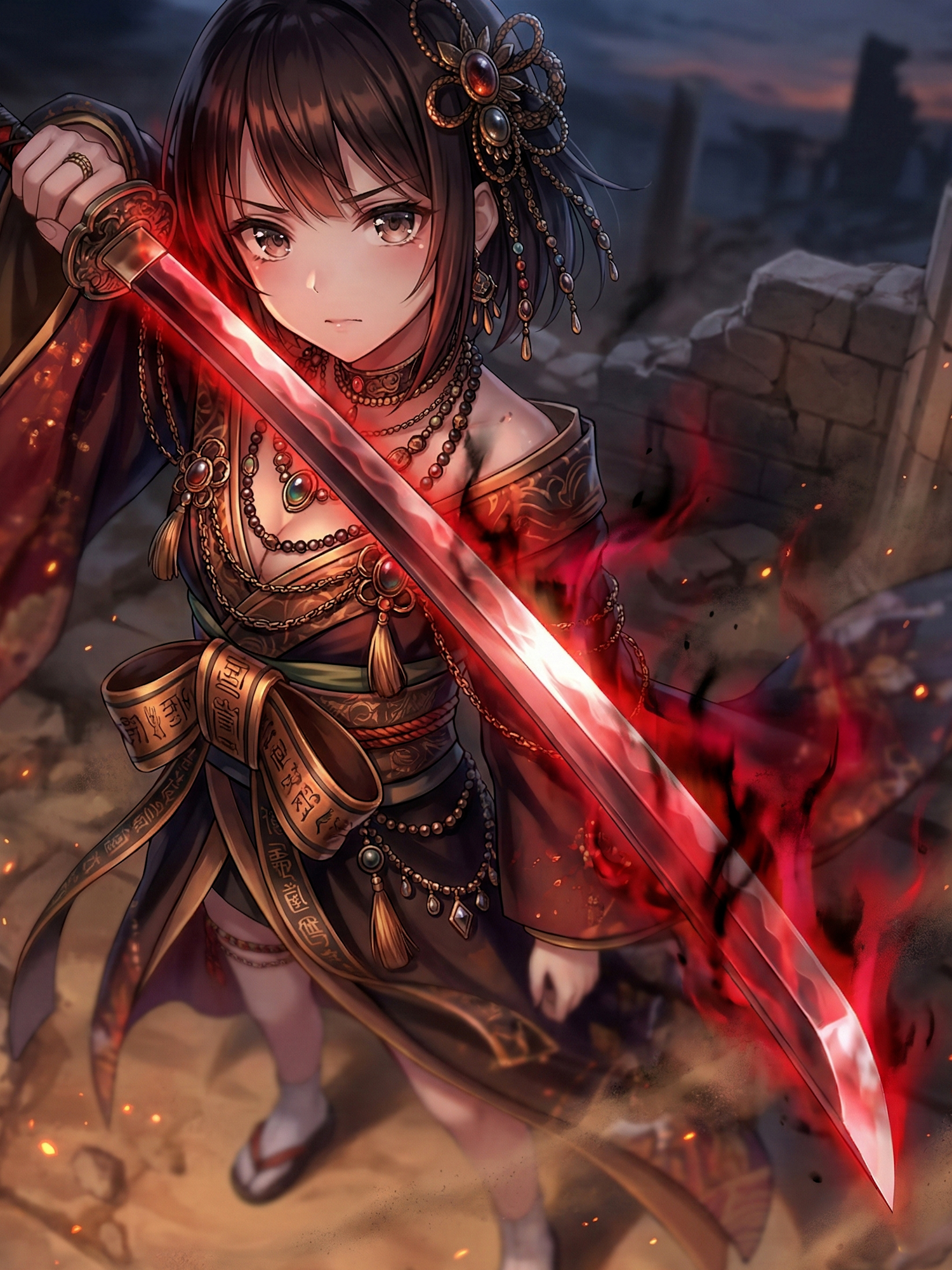
This blade symbolizes conquered rebellion and sacred suppression.
It visualizes divine victory turned into weapon.
Modern scholarship often interprets Ura as an example of mythologized resistance, where suppressed history survives indirectly through demon narratives rather than official records.
In contemporary visual reinterpretations, Ura is sometimes imagined in the form of a yōtō — a cursed blade that embodies erased voices, accumulated resentment, and unresolved historical violence. The sword does not merely kill; it remembers.
Within this framework, Ura represents memories that refuse burial. As long as history remains contested and incomplete, the blade persists — because history is never neutral.
Modern Reinterpretation – Ura as the King Turned Demon by History
In this modern reinterpretation, Ura emerges not as a vanquished monster, but as the echo of revision — a monarch recast by victors as abomination. His story is less a moral tale than an act of narrative control: history weaponized into exorcism. The demonization of Ura is not punishment for his deeds, but preservation of someone else’s order. His legend endures because power still decides what is sacred, and who must be called profane.
The “beautiful boy” or fallen king visualization renders this duality in solemn grandeur. His regal poise remains intact, but his form bears the marks of erasure — script-like scars glowing faintly across his body, as though words themselves were used to bind him. His armor, once ceremonial, now fuses with obsidian and ash; his crown lies broken but unremoved. Behind him, a spectral battlefield stretches into mist, banners indistinct and rewritten.
The yōtō he wields gleams with buried memory. Its blade carries the sheen of imperial craftsmanship, yet its surface shimmers with faint shifting reflections — faces, ruins, and fragments of lost empires emerging briefly before dissolving again. Each motion feels like recollection made weapon: history refusing to stay silent. His eyes, neither furious nor pleading, hold the stillness of one who remembers too much to rest.
Through this reinterpretation, Ura becomes a symbol of mythic resistance — the embodiment of narratives that power sought to extinguish but instead immortalized. His curse is remembrance. His survival is the proof that suppression breeds eternity. In him, history confesses its own violence, and the demon becomes the witness.
Musical Correspondence
The accompanying composition translates suppressed majesty into sound. Deep, resonant percussion evokes ancient marches distorted by time, while bowed strings tremble between solemnity and dissonance. The rhythm advances like memory — steady, weighted, unyielding.
Midway, a mournful brass motif rises, regal but fractured — a melody that once belonged to triumph now hollowed by exile. Faint choral textures weave in and out, echoing as though trapped beneath centuries of rewritten history. Silence arrives abruptly, not as peace, but as censorship.
The final movement resolves into a low, sustained hum — neither lament nor victory. It is endurance made audible. Through restrained grandeur and fractured tonality, the music captures Ura’s essence: the sound of sovereignty remembered through distortion, of a name erased but never forgotten.
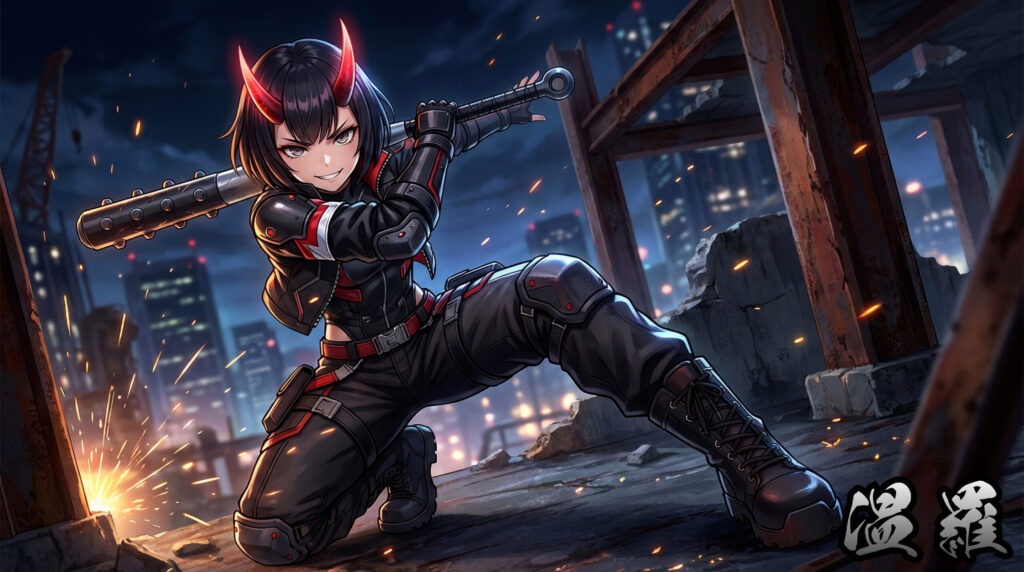
She embodies suppressed rebellion and divine punishment.
Her presence reflects defeated calamity made visible.
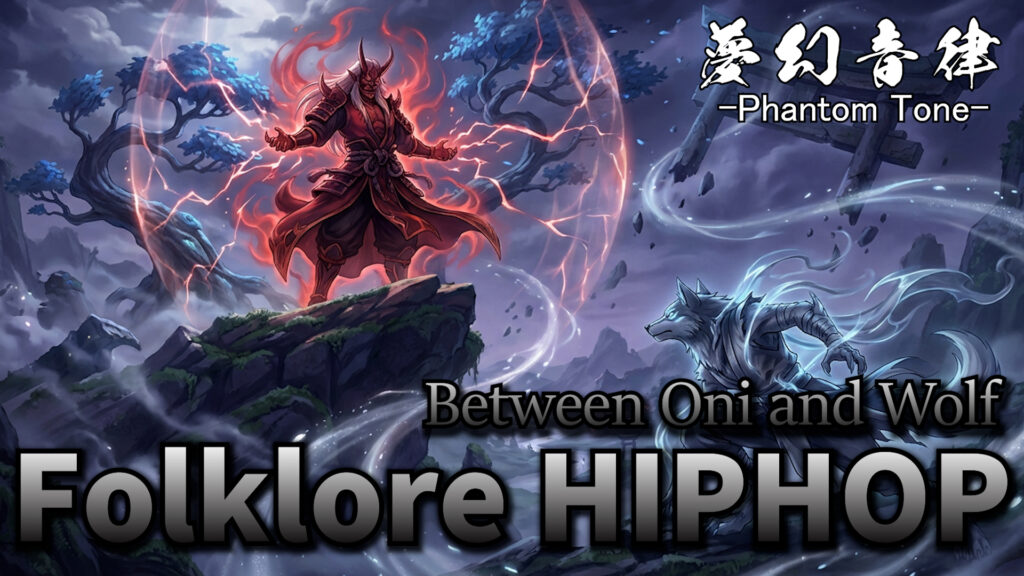
Between Oni and Wolf
Genre: Japanese Folklore Hip-Hop, Ritual Lo-Fi Poetry Produced by: Phantom Tone | Suno AI | Kotetsu Co., Ltd. Tags: #AIgeneratedMusic #JapaneseHipHop #Folklore…
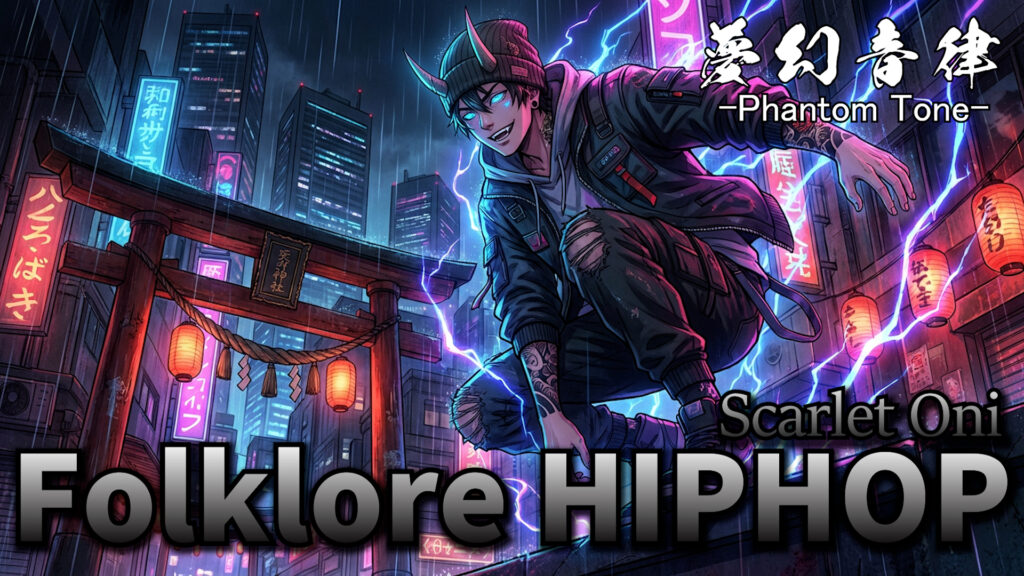
Scarlet Oni
Genre: Japanese Folklore HipHop / Darkwave Enka Trap Produced by: Phantom Tone | Suno AI | Kotetsu Co., Ltd. Tags: #JapaneseFolkloreHipHop #AIGeneratedMusic #P…
Echoes of Sorrow
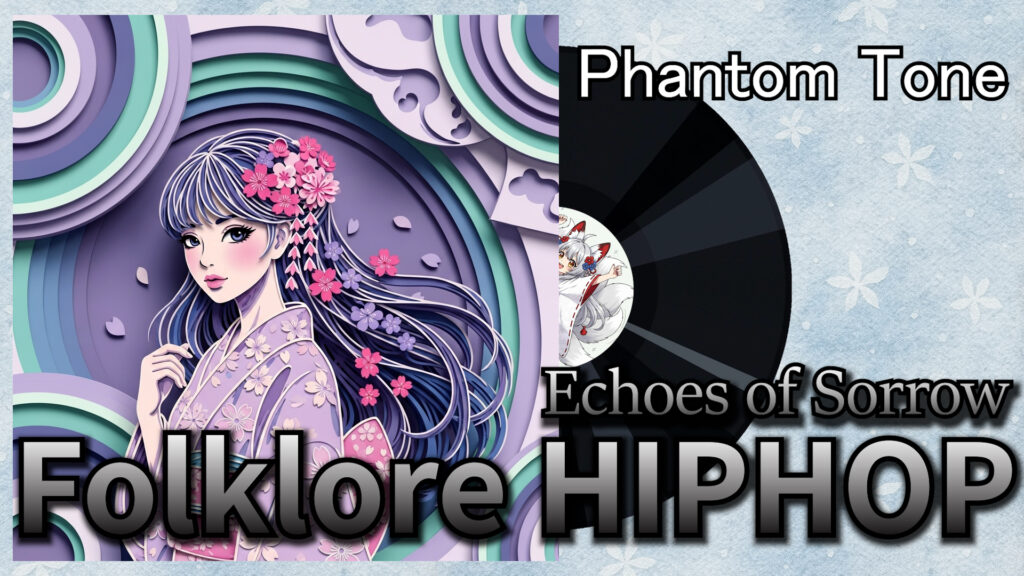
Genre: Japanese Folklore HipHop / Darkwave Lo-Fi Produced by: Phantom Tone | Suno AI | Kotetsu Co., Ltd. Tags: #JapaneseFolklore #OniMyth #AIgeneratedMusic #Ph…