What Is the Nue?
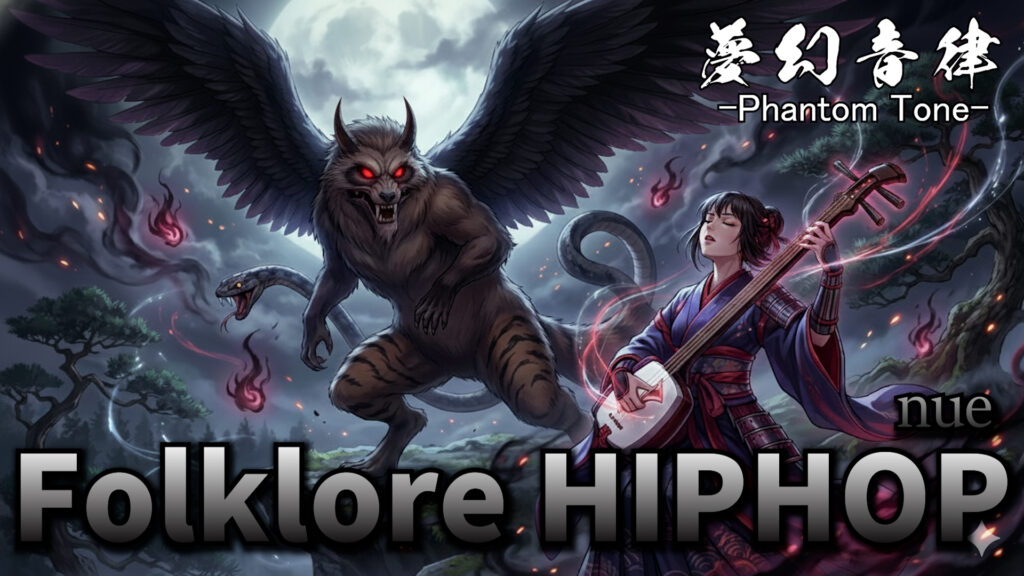
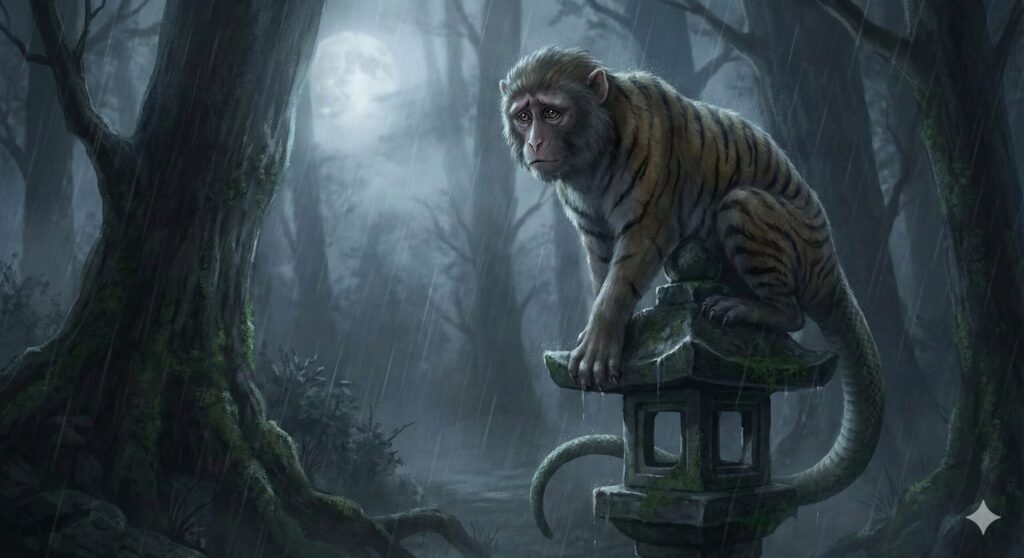
The Nue (鵺) is one of the most enigmatic and unsettling creatures in Japanese folklore. Traditionally described as a chimera-like being with the face of a monkey, the body of a tiger, the legs of a tanuki, and a snake for a tail, the Nue embodies an atmosphere of ominousness rather than a fixed physical form. Its presence has long been associated with illness, misfortune, political instability, and unexplained nocturnal disturbances.
While some yōkai can be categorized visually or symbolically, the Nue remains deliberately ambiguous. Its composite anatomy reflects the anxieties of different eras: a creature too unnatural to classify, too familiar to ignore, and too dangerous to misunderstand. Its historical appearances in Heian literature and medieval war tales portray it not simply as a monster, but as a manifestation of collective dread.
Historical Origins
The earliest major reference to the Nue appears in the Heike Monogatari, where it terrifies the Imperial Palace by descending as a black cloud at night. Court officials reported hearing eerie cries resembling a combination of animals, but no one could determine the cause. The Emperor grew ill, and diviners identified the Nue as the source of the calamity.
Minamoto no Yorimasa famously shot the creature with an arrow, after which it fell to the ground in its grotesque composite form. Even in death, the Nue was feared; it was placed in a boat and sent downriver, where the locals refused to let it ashore due to its ominous nature.
This narrative cemented the Nue as a symbol of unidentifiable threats—political, emotional, or supernatural. The Heian court interpreted it as a harbinger of disorder, representing rumors, anxieties, and invisible forces capable of destabilizing the highest seat of power.
Symbolism and Psychological Meaning
Unlike yokai with clear moral alignments, the Nue’s symbolic identity is fluid. It can represent:
- Ambiguity and fear of the unknown — its chimeric body mirrors the human mind’s inability to categorize certain threats.
- Political unrest — the Heike narrative ties its appearance to court instability and social tension.
- Illness and emotional affliction — the “black cloud” motif often symbolizes depression, nightmares, or spiritual malaise.
- Haunting memory — its cry, described as echoing across the night, becomes a metaphor for unresolved fears.
Across eras, the Nue has remained a figure that embodies vaguely defined dread. It is a creature that resists clarity, making it particularly potent as a psychological symbol.
Appearance in Classical and Edo Art
Edo-period artists portrayed the Nue in scrolls, woodblock prints, and bestiaries. Though its form varies widely, this inconsistency is itself traditional: the Nue is a creature whose appearance changes with the viewer’s fear. Some depictions emphasize its feline body and serpentine tail, while others focus on the haunting monkey-like face and shadowy aura.
In many emakimono (picture scrolls), the Nue is surrounded by dark swirling clouds, highlighting its association with nighttime, storms, and spiritual pollution. Later interpretations in modern manga, games, and visual art accentuate its role as a hybrid monster whose emotional impact surpasses its physical description.
The Nue in Modern Interpretations
Contemporary creators treat the Nue as a symbol of:
- Internalized fear or trauma
- Unseen pressure within hierarchical systems
- Anxiety that manifests without a clear source
- Shadowlike presences that drift between worlds
Because its form has no strict canonical design, the Nue lends itself to a wide range of reimaginings. In modern folklore-inspired art, it often appears as a shimmering, smoke-like presence with shifting features, evoking both beauty and unease.
Music Inspired by the Nue
These works explore the emotional landscape associated with the Nue—its shifting silhouette, composite form, and the black-cloud omen that drifts across ancient narratives. Rhythmic tension, atmospheric soundscapes, and hybrid textures reinterpret the creature’s ambiguity through contemporary music.
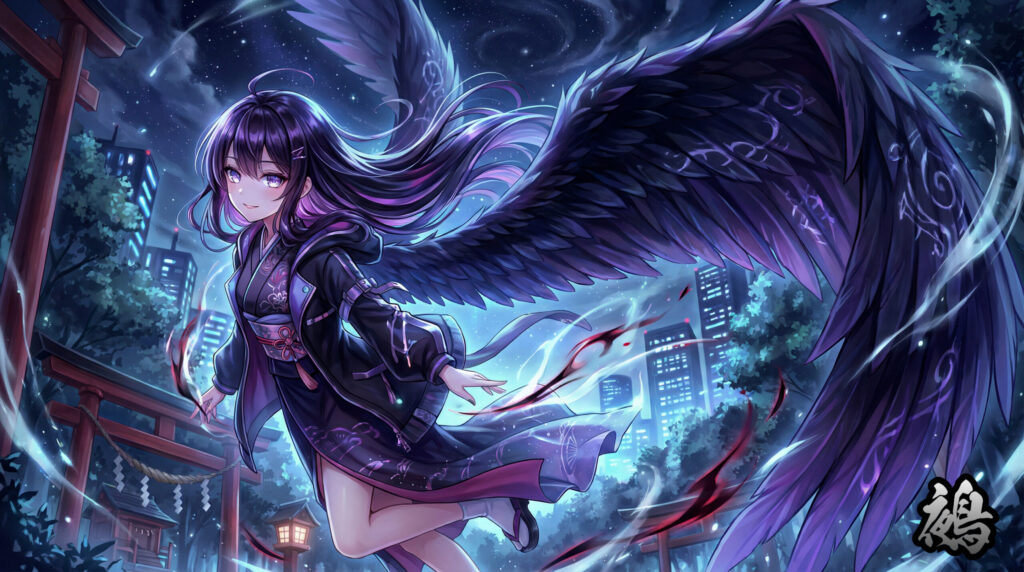
 Phantom Tone – Japanese Folklore Hip-Hop Project