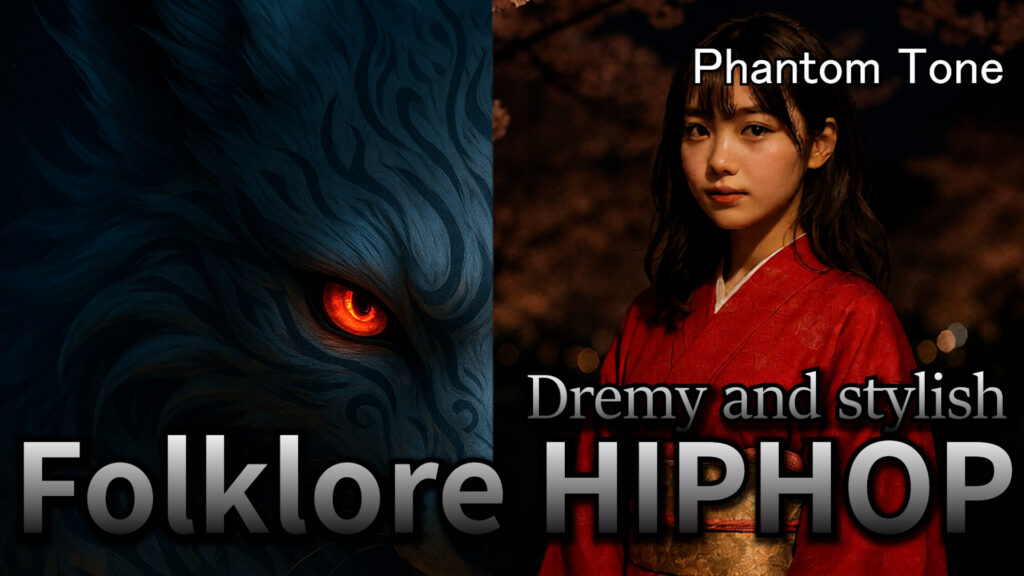
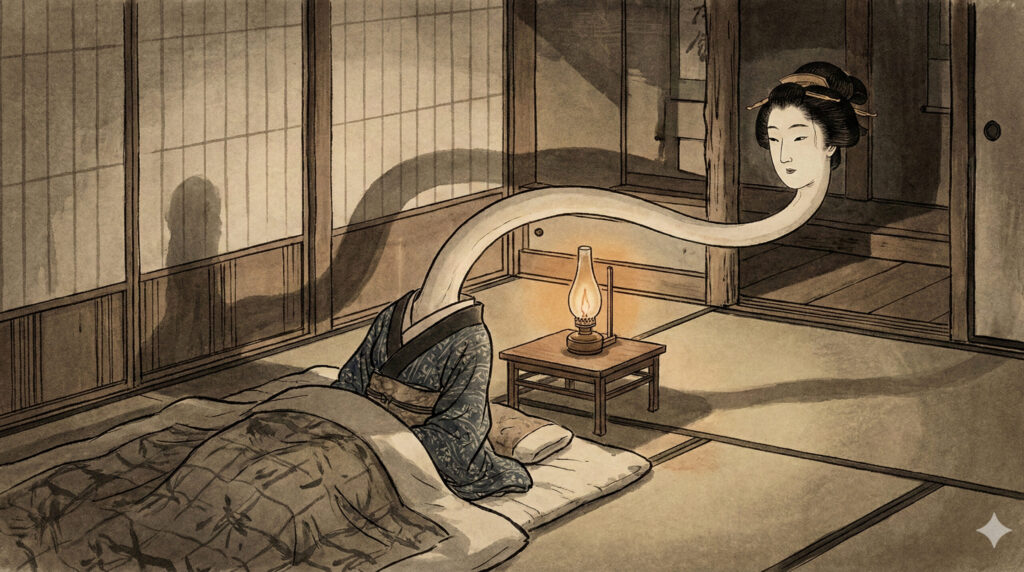
A woman whose neck stretches at night.
It preys on sleepers.
Primary Sources
Neck-Elongation & Domestic Folklore
- Konjaku Monogatari-shū (今昔物語集)
- Ehon Hyaku Monogatari (絵本百物語)
- Yanagita Kunio — Domestic yōkai belief studies
- Komatsu Kazuhiko — Yōkai Encyclopedia
Rokurokubi – Elongated-Neck Women of Japanese Folklore
Rokurokubi are among the most quietly disturbing figures in Japanese folklore: women whose necks stretch unnaturally long in the dead of night. By day, they appear entirely human—often indistinguishable from ordinary villagers or household members. By night, however, their bodies reveal a hidden, unsettling truth.
Unlike violent monsters or overt spirits, rokurokubi embody fear born from intimacy and concealment. Their horror lies not in attack, but in revelation. The moment when a familiar human form transforms into something impossible destabilizes trust, identity, and the boundary between human and yōkai.
Rokurokubi are not invaders from outside society. They live within it.
Origins and Early Accounts
Stories of rokurokubi appear in medieval and Edo-period folklore, often in collections of strange tales and yōkai encyclopedias. Early narratives describe women whose necks stretch while they sleep, sometimes drifting through rooms or peering into neighboring houses.
In many versions, the woman herself is unaware of her transformation. The condition may be a curse, karmic consequence, or inherited affliction rather than deliberate monstrosity. This lack of intent distinguishes rokurokubi from predatory yōkai.
Some accounts link their condition to Buddhist concepts of karma—suggesting that moral imbalance in a past life manifests physically in the present.
Appearance and Nocturnal Transformation
By day, rokurokubi are described as completely normal:
Ordinary human appearance
Often women living in households or inns
No visible signs of otherworldliness
At night, the transformation occurs:
The neck elongates smoothly or joint-by-joint
The head may roam independently while the body sleeps
The face retains human expression, often calm or vacant
The movement is silent and fluid
This contrast heightens unease. There is no grotesque explosion of form—only a slow, quiet violation of anatomy.
Awareness and Tragedy
A key theme in rokurokubi lore is ignorance. In many stories, the woman does not know she is a rokurokubi. She may suffer exhaustion, shame, or confusion without understanding why.
When her secret is discovered, outcomes vary. Some stories end with exposure and exile; others with ritual cleansing or quiet disappearance. Rarely is there triumph or justice—only loss.
This framing shifts the narrative from fear of the monster to pity for the afflicted.
Rokurokubi and Social Anxiety
Rokurokubi reflect deep social unease surrounding hidden identity. They embody the fear that those closest to us may harbor unknowable differences—differences revealed only in vulnerability or darkness.
Their association with domestic spaces—homes, bedrooms, inns—places horror not in wilderness, but in safety itself. The monster is not outside the door; it shares the room.
This makes rokurokubi particularly resonant as metaphors for secrecy, shame, and social exclusion.
Symbolism and Themes
Hidden Otherness
Rokurokubi symbolize identities concealed beneath normal appearances.
Intimacy and Fear
They reveal how closeness amplifies unease when trust is broken.
Unchosen Affliction
Their condition is often involuntary, evoking tragedy rather than guilt.
Night as Revelation
Darkness exposes truths daylight cannot.
Related Concepts
Nocturnal Body-Change Motif
Hidden transformation folklore.
Household Liminal Yōkai
Spirits active inside homes.
Dual-Life Spirits
Beings living double identities.
Rokurokubi in Art and Folklore
Edo-period artists frequently depicted rokurokubi in domestic scenes: a woman sleeping peacefully while her head stretches across the room. These images emphasize contrast—stillness versus motion, normalcy versus distortion.
Unlike dramatic battle scenes, rokurokubi imagery is quiet and voyeuristic. The viewer witnesses something the characters themselves may not know.
This visual restraint reinforces their unsettling power.
Modern Cultural Interpretations
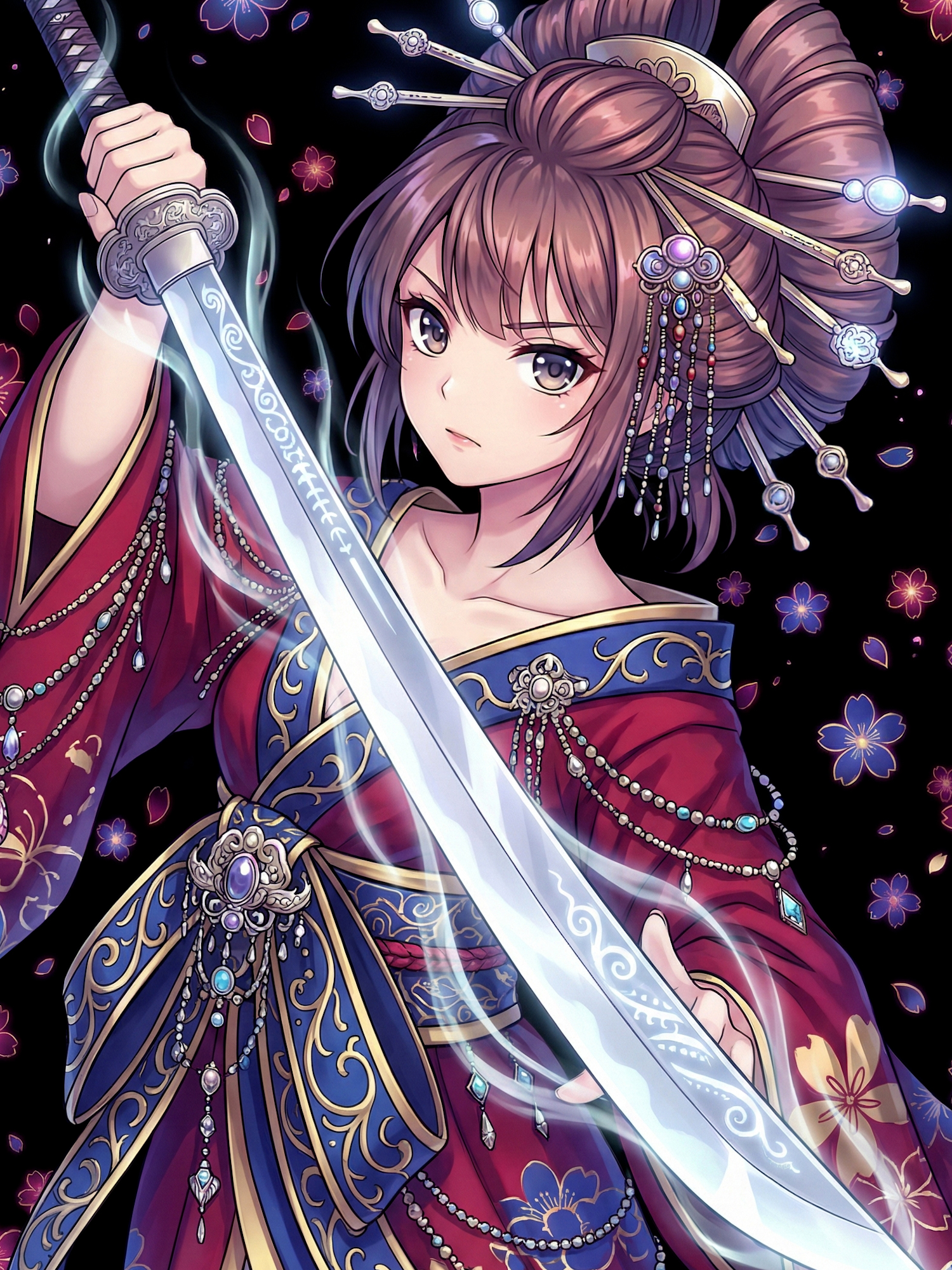
This blade symbolizes hidden dual life and nocturnal execution.
It visualizes danger that awakens after sleep.
In modern media, rokurokubi are often reimagined as horror icons or tragic figures. Some adaptations emphasize body horror, while others focus on psychological isolation and identity conflict.
Contemporary interpretations may frame them as metaphors for hidden illness, social stigma, or dual identity — maintaining the core theme of concealed difference beneath familiar appearance.
In some modern visual reinterpretations, rokurokubi manifest as a yōtō — a blade that extends beyond its sheath in unnatural length. The sword’s reach distorts proportion, embodying fear born from familiarity undone.
Despite stylistic changes, their essence remains intact.
Modern Reinterpretation – Rokurokubi as the Spirit of Revealed Difference
In this reinterpretation, the Rokurokubi is not a figure of grotesque terror, but the embodiment of exposure — the moment when what was meant to stay hidden becomes unavoidably seen. She is the quiet collapse of disguise, the fragile instant when identity stretches beyond its limit.
The “beautiful girl” form embodies this tension between allure and dissonance. Her posture is elegant yet unnervingly poised, as if holding together two selves — one grounded, one reaching. Her elongated neck glows faintly under moonlight, less monstrous than spectral, revealing beauty warped by revelation itself.
She does not scream; she extends. The slow, fluid movement of her form evokes both vulnerability and defiance — a declaration that difference, once revealed, cannot be withdrawn. Her expression wavers between calm and sorrow, as if aware that visibility is both liberation and exposure.
She represents the anxiety of being seen too clearly. The horror she inspires is not in her distortion, but in her honesty — the body admitting what the heart has long tried to conceal.
In this visual reinterpretation, the Rokurokubi becomes the spirit of revealed difference — beauty stretched into revelation, fear softened into melancholy, and identity illuminated past the point of return.
Musical Correspondence
The accompanying track translates transformation into motion. Long, sustained tones stretch and bend like breath drawn too far, while faint glissandos trace the uneasy elegance of extension. Drones rise and fall without resolve, echoing the fragile continuity of self across distortion.
Sparse percussion or whispered textures interrupt the stillness — moments of revelation breaking through calm. The melody evolves slowly, refusing release, capturing the quiet panic of something becoming too visible to hide.
Through restraint, elongation, and fragile harmony, the music captures Rokurokubi’s essence: beauty unfolding beyond comfort, identity exposed through its own grace, and the haunting music of difference revealed at last.
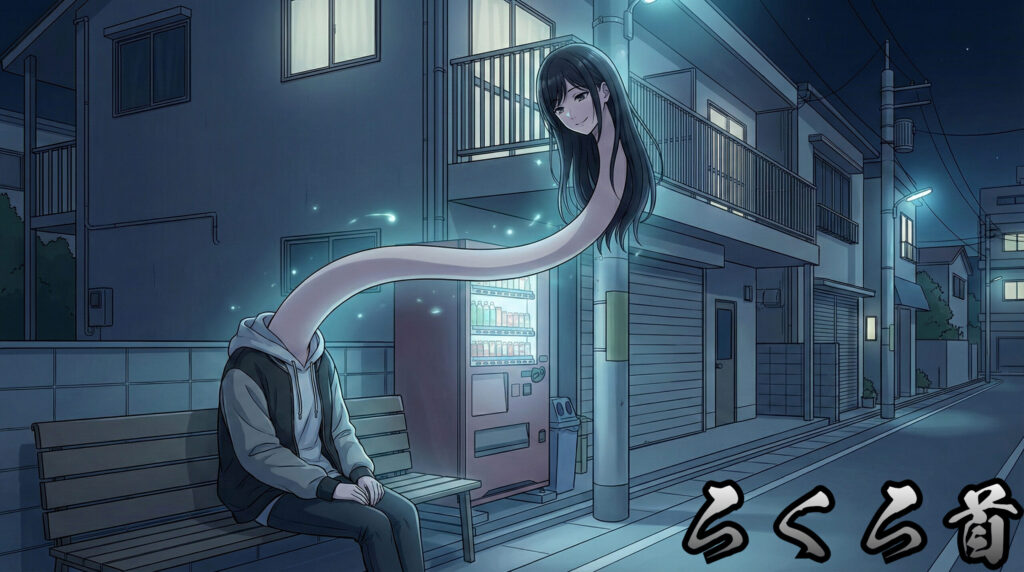
She embodies hidden identity and silent hunger.
Her calm daytime face hides night predator.
Dreamy and stylish
Genre: Ritual Japanese HipHop / Darkwave Folklore Produced by: Phantom Tone | Suno AI | Kotetsu Co., Ltd. Tags: #JapaneseHipHop #AIgeneratedMusic #Yokai #Phant…