Makuragaeshi – Pillow-Turning Spirits of Japanese Folklore
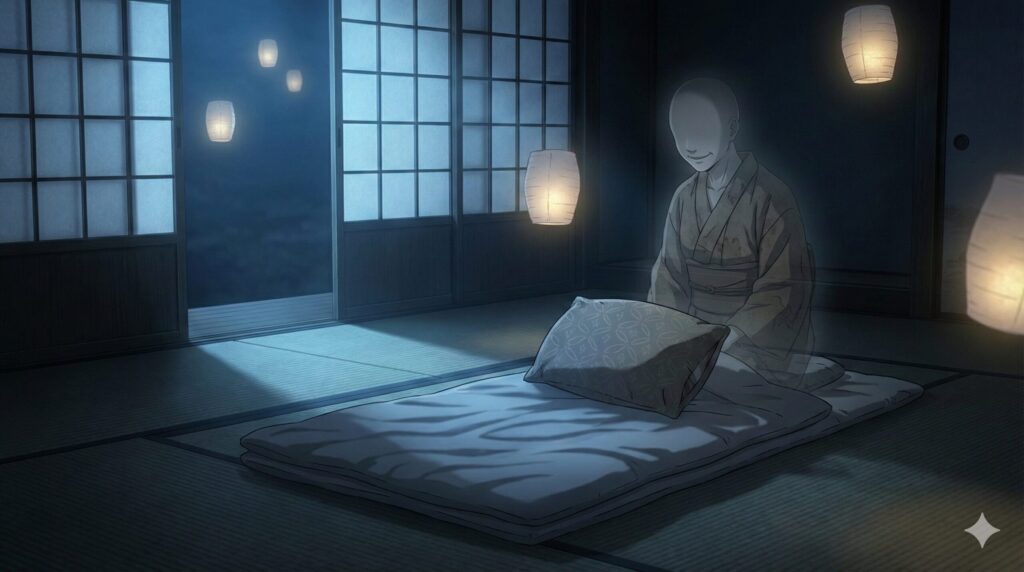
Makuragaeshi are quiet yet unsettling yōkai of the night—spirits known for flipping, moving, or stealing pillows as people sleep. They work not through violent force but through intimate disruption, touching the boundary between the resting body and the wandering soul. In many regions, they appear as small ghosts or child-like spirits; in others, as formless presences that slip silently through dark rooms. Their subtle actions make them one of the most psychologically haunting figures in Japanese folklore.
While often treated as harmless pranksters, some traditions describe them as more ominous. In rare stories, a disturbed pillow may signal spiritual interference, loss of vitality, or even an encounter with a ghost intent on drawing the sleeper’s soul away. This dual nature—innocent mischief on one end, quiet dread on the other—defines makuragaeshi across centuries of storytelling.
Origins and Early Depictions
The term makuragaeshi (枕返し), meaning “pillow-turner,” appears in early folklore collections and Edo-period ghost tales. These stories describe sleepers awakening to find their pillow flipped, missing, or replaced with an unfamiliar object. Because sleep was traditionally believed to loosen the connection between body and spirit, such disturbances carried deep symbolic meaning. A pillow out of place suggested that something had entered the room while consciousness wandered elsewhere.
Makuragaeshi were sometimes said to be the spirits of deceased children, restless house ghosts, or wandering yōkai attracted to human dwellings. Their appearance was rarely dramatic; instead, their presence was felt through the unsettling aftermath of their nocturnal acts.
From Harmless Tricksters to Nocturnal Threats
Makuragaeshi legends vary widely. In lighter tales, they are playful spirits who enjoy harmless pranks. Yet some regions view them as death-omens: spirits whose flipping of a pillow replicates funerary positioning, foreshadowing illness or misfortune. This evolution mirrors a broader trend in Japanese folklore, where spirits occupy an ambiguous moral spectrum—capable of being humorous in one era, ominous in another.
Their defining trait remains the same: subtle intrusion. Makuragaeshi embody the creeping discomfort of discovering that something has touched the intimate space of sleep.
Types and Interpretations
Child Ghosts
One of the most common interpretations depicts makuragaeshi as child spirits whose playful intent belies a lingering sadness. Their small footsteps or faint touches are sometimes heard in the night.
Shapeless Nocturnal Spirits
Some stories describe the phenomenon without any visible apparition—only a pillow reversed or missing. The fear lies in the unseen.
Household Guardians or Punishers
In certain rural traditions, they act as protective household spirits, disturbing pillows only when rituals are neglected or taboos broken.
Death-Bringing Variants
A more sinister version appears in regions where pillow reversal resembles the posture of the deceased, creating associations with death and spiritual vulnerability.
Symbolism and Themes
Disruption of Domestic Security
Makuragaeshi intrude on the most personal space: the bed. Their actions symbolize the fragility of nightly safety.
Crossing the Boundary of Sleep
Since sleep was believed to blur the line between the physical and spiritual worlds, pillow disturbances implied that something crossed into the sleeper’s realm.
Ambiguity Between Innocence and Danger
As with many yōkai, makuragaeshi resist simple classification. Their pranks may conceal deeper supernatural implications.
Echoes of Mourning
When tied to child spirits, their actions subtly reflect themes of loss, lingering attachment, and restless emotion.
Makuragaeshi in Literature and Art
They appear less frequently in classical epics than more dramatic yōkai, but are well-documented in local legends and Edo ghost literature. Artists portray them as:
- pale children crouched beside a futon,
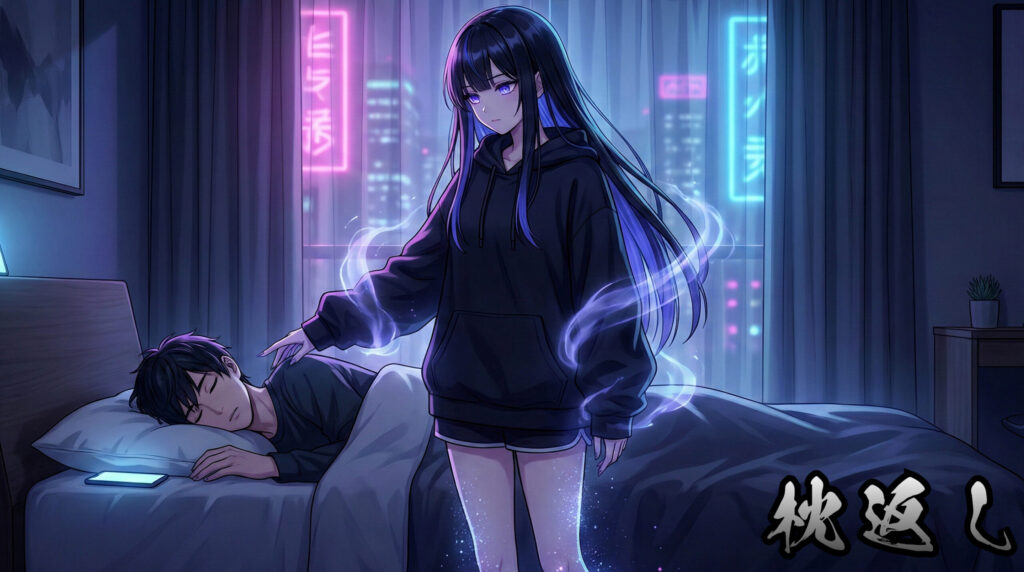
- shadowy forms bending over a sleeping figure,
- or unseen presences suggested only by disordered bedding.
Their understated nature makes them ideal subjects for psychological and atmospheric storytelling.
Regional Legends and Local Beliefs
Makuragaeshi legends vary across Japan:
- temple lodgings haunted by a child spirit who flips travelers’ pillows,
- farmhouses where pillows shift whenever ancestral duties are forgotten,
- guest chambers avoided because pillow-turning precedes sickness,
- travelers discovering their sleeping orientation reversed, implying a spiritual encounter.
These localized stories reinforce their strong ties to place, memory, and the hidden life of old dwellings.
Modern Interpretations
Contemporary media often portrays makuragaeshi as eerie yet oddly endearing spirits. Their quiet, minimal actions make them ideal figures in horror, supernatural comedy, and dreamlike narratives. Modern creators frequently emphasize the atmospheric tension: dimly lit rooms, shifting bedding, and the invisible presence that brushes against the threshold of sleep.
Conclusion – Spirits of Subtle Nocturnal Intrusion
Makuragaeshi stand apart from more dramatic yōkai through the intimacy of their haunting. By disturbing a sleeper’s pillow, they touch the boundary between waking and dreaming, body and soul, comfort and unease. Their legends remind us that fear often arises not from catastrophic events, but from quiet disruptions that suggest a hidden presence just beyond sight.
Music Inspired by Makuragaeshi
The quiet, unsettling world of makuragaeshi translates naturally into atmospheric music. Their nocturnal nature invites compositions built on soft textures, muted percussion, and slow, shadowed movement. Subtle dissonances can evoke the drifting border between consciousness and dreams, while sudden shifts in dynamics mirror the shock of waking to a disturbed pillow. Whisper-like motifs, hollow tones, and lingering reverberation can express both the innocence and the eeriness associated with child-ghost interpretations.
Pieces inspired by makuragaeshi may explore themes of sleep paralysis, dream-fragmentation, and the fragile security of night. By blending intimate stillness with moments of uncanny disturbance, music can capture the essence of these spirits—gentle yet unsettling presences moving just beyond the edge of awareness.
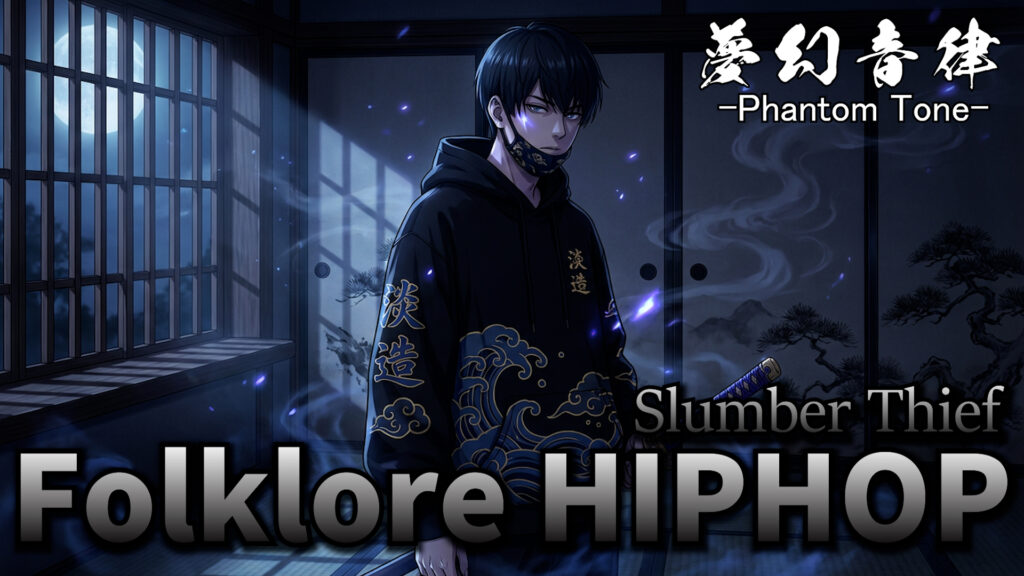
Slumber Thief
Genre: Japanese Folklore HipHop / Dreamwave Lo-Fi Produced by: Phantom Tone | Suno AI | Kotetsu Co., Ltd. Tags: #JapaneseHipHop #AIgeneratedMusic #PhantomTone …
 Phantom Tone – Japanese Folklore Hip-Hop Project