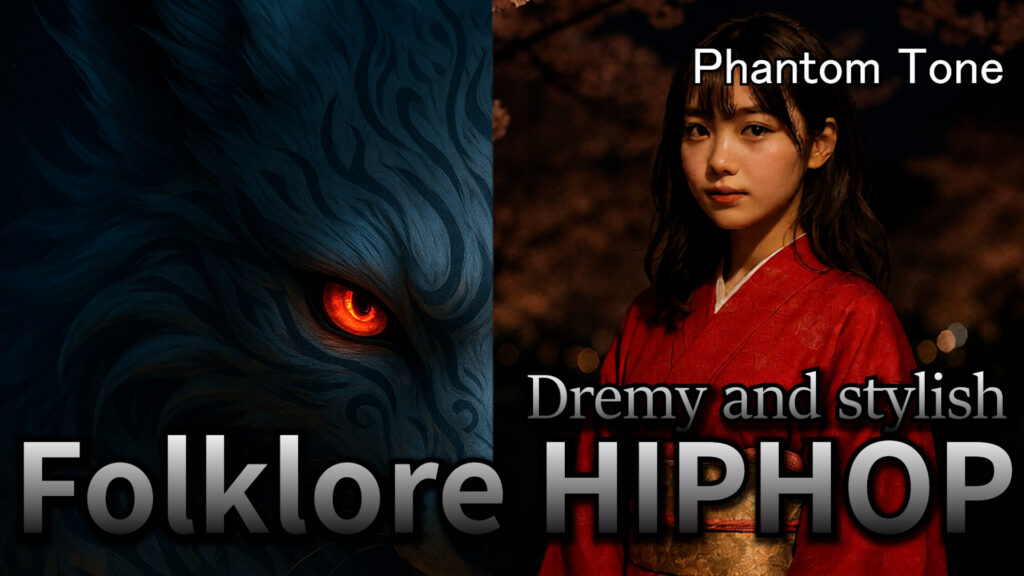

Fukuruma Yōhi is a yōkai whose face is hidden behind long hair, revealing corruption beneath beauty.
It represents deceptive appearance and hidden danger.
Primary Sources
Classical & Edo-Period Folklore Records
- Gazu Hyakki Yagyō (画図百鬼夜行) — Toriyama Sekien
- Komatsu Kazuhiko — Yōkai Encyclopedia
- Regional urban legends
Fukuruma Yōhi – The Burning Spirit of Written Words in Japanese Folklore
Fukuruma Yōhi is one of the most intellectually unsettling figures in Japanese yōkai lore: a spirit born from discarded, neglected, or burned written materials. Neither purely a tsukumogami nor a vengeful ghost, she embodies resentment accumulated within written words—letters, books, and documents treated as disposable.
Unlike yōkai that stalk roads or forests, Fukuruma Yōhi emerges from human culture itself. Her domain is language, memory, and meaning. She does not destroy bodies; she confronts minds.
Fukuruma Yōhi is knowledge that refuses to be erased.
Origins in Written Culture and Neglect
The legend of Fukuruma Yōhi originates from a period when written materials were rare, valuable, and deeply respected. Words carried authority, prayer, contracts, and identity. To discard or burn writings carelessly was considered an act of disrespect—not only to knowledge, but to the spirit dwelling within words.
Fukuruma Yōhi is said to arise from piles of discarded texts, charred pages, or abandoned documents. Over time, the resentment of ignored words coalesces into a feminine spirit, often beautiful yet dangerous.
Her existence reflects a culture that viewed writing as alive with intent.
Appearance and Feminine Aspect
Descriptions of Fukuruma Yōhi emphasize elegance fused with menace:
A beautiful woman surrounded by drifting paper or ash
Flowing hair resembling ink or smoke
Eyes that reflect written characters
An aura of quiet authority
She is often depicted as composed rather than furious. Her calmness is unsettling—it suggests control rather than chaos. The written word does not need to shout.
Her feminine form underscores seduction through intellect rather than force.
Fire, Text, and Transformation
Fire plays a crucial role in her mythology. Burning texts is not merely destruction; it is transformation. Characters turn to ash, meaning dissolves, yet something remains.
Fukuruma Yōhi arises from this residue. She is not the fire itself, but what survives it—the memory of erased knowledge and silenced voices.
This positions her as a figure of aftermath rather than event.
Encounters and Consequence
Encounters with Fukuruma Yōhi are rare and symbolic. Those who disrespect books, falsify records, or treat words carelessly may be visited by her presence. Consequences vary: madness, obsession, haunting dreams, or an overwhelming compulsion to read or write.
She does not punish indiscriminately. Her attention is selective, directed toward those who misuse language or discard meaning without thought.
The danger lies in underestimating words.
Symbolism and Themes
Knowledge as Living Entity
Words possess memory and intent.
Neglect Over Malice
Disrespect, not hatred, gives rise to resentment.
Fire as Imperfect Erasure
Destruction does not guarantee disappearance.
Femininity and Authority
Power expressed through allure and intellect.
Related Concepts
Hidden Face Yōkai
Yōkai associated with concealed identities and inner corruption.
Deceptive Beauty Motifs
Beautiful appearance masking danger.
Urban Liminal Spirits
Spirits inhabiting alleyways and urban boundaries.
Fukuruma Yōhi in Folklore and Art
Fukuruma Yōhi appears in yōkai collections and later interpretations as a refined yet eerie figure. Artists often depict her amid floating scrolls, charred paper, or glowing characters.
Unlike grotesque monsters, her horror is restrained and cerebral. She is frightening because she understands more than she reveals.
Her imagery resonates strongly in literate societies where words shape reality.
Modern Cultural Interpretations

This blade symbolizes concealed corruption and deceptive beauty.
It visualizes danger hidden beneath elegance.
In modern contexts, Fukuruma Yōhi is frequently reinterpreted as a symbol of lost information, censorship, and the careless disposal of cultural memory. Digital deletion, forgotten archives, and data erasure echo the same anxiety embedded in her legend.
Contemporary creators sometimes frame her as a guardian of forgotten knowledge or as the spirit of suppressed voices — what is hidden rather than destroyed, waiting to resurface.
In some modern visual reinterpretations, Fukuruma Yōhi manifests as a yōtō — a blade that cuts memory rather than flesh. The sword appears etched with fading scripts and erased symbols, its edge eroding records, names, and traces. Its danger lies in deletion, not violence.
Her relevance grows as information becomes easier to erase — and harder to truly destroy.
Modern Reinterpretation – Fukuruma Yōhi as the Yokai of Erased Memory
In this reinterpretation, Fukuruma Yōhi is not depicted as a monster born from flame, but as a presence formed by deletion itself — the spirit of information that was removed too easily.
The “beautiful girl” form represents memory without medium. Names without pages. Voices without files. Meaning that has lost its container.
Her quiet expression mirrors forgotten archives, overwritten records, and voices removed from visibility but not from consequence.
She does not burn. She remains — because deletion does not eliminate meaning, it only removes access.
In this visual form, Fukuruma Yōhi becomes a modern yokai of erased knowledge — a guardian of what still exists beneath disappearance.
Musical Correspondence
The accompanying track translates memory persistence into sound. Whispered fragments resemble lost texts echoing through silence.
Slow harmonic drift evokes archives without indexes, while subtle distortion suggests corruption rather than destruction.
Together, image and sound form a unified reinterpretation layer — a modern folklore artifact recording what was deleted, but not gone.

This contemporary form represents deceptive beauty and hidden corruption.
She embodies concealed danger and social anxiety.
Dreamy and stylish
Genre: Ritual Japanese HipHop / Darkwave Folklore Produced by: Phantom Tone | Suno AI | Kotetsu Co., Ltd. Tags: #JapaneseHipHop #AIgeneratedMusic #Yokai #Phant…