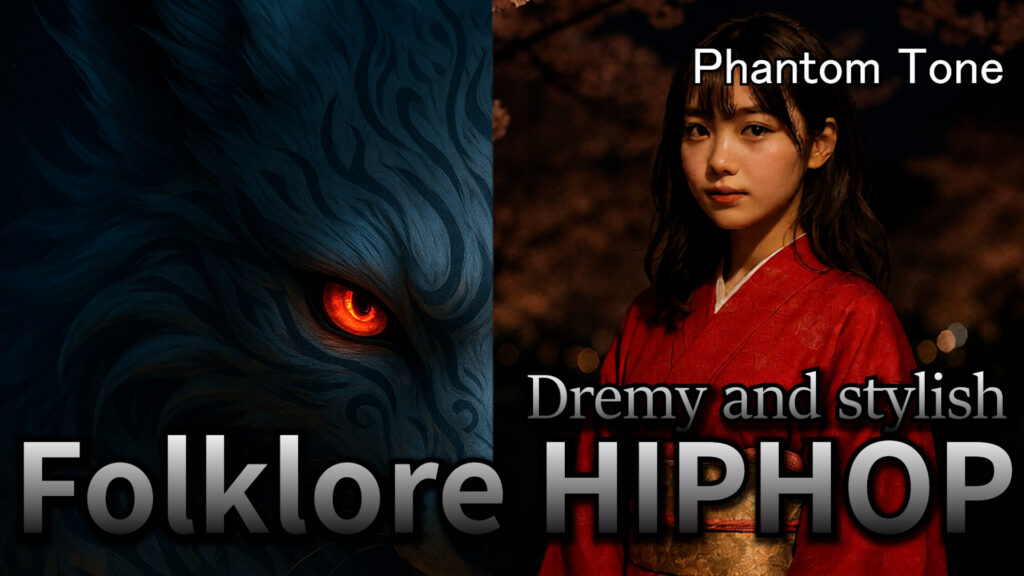

Binbōgami is a household spirit associated with poverty and misfortune.
It represents anxiety surrounding financial decline and scarcity.
Primary Sources
Classical & Popular Folklore Records
- Yanagita Kunio — Yōkai Dangi
- Komatsu Kazuhiko — Yōkai Encyclopedia
- Regional oral traditions
Binbōgami – Deities of Misfortune and Lingering Poverty in Japanese Folklore
Binbōgami are among the most paradoxical figures in Japanese folklore: gods not of blessing, but of poverty, stagnation, and misfortune. Unlike malevolent demons or destructive spirits, binbōgami do not attack or curse directly. They remain—quietly, persistently—draining prosperity simply by staying.
They are not invaders. They attach themselves to households, individuals, or places where fortune has already begun to wane. Their presence explains continued hardship, turning abstract economic suffering into a visible, negotiable being.
Binbōgami embody misfortune that lingers rather than strikes.
Origins and Folk Belief
The idea of binbōgami developed from everyday experience rather than mythic epics. In premodern Japan, poverty was often cyclical and unexplained. When hardship persisted despite effort, folklore gave it form.
Binbōgami were imagined as minor deities or spirits who entered homes unnoticed and refused to leave. Unlike gods of harvest or wealth, they required no worship to appear—only opportunity.
This framing transformed poverty from moral failure into supernatural condition, offering psychological relief alongside warning.
Appearance and Character
Descriptions of binbōgami vary widely, but common traits include:
Thin, worn, or ragged appearance
Unkempt hair and shabby clothing
A tired or resigned expression
A presence that feels heavy rather than threatening
They are often depicted as weak rather than powerful. This weakness is deceptive: their endurance is their strength. They do not overwhelm; they outlast.
Some stories portray them as pitiful figures, others as sly and stubborn, reluctant to relinquish their hold.
How Binbōgami Operate
Binbōgami do not steal wealth outright. Instead, they cause small, accumulating setbacks:
Money slips away unexpectedly
Efforts fail to produce results
Opportunities narrowly missed
Repairs and expenses multiply
Nothing catastrophic happens at once. The harm lies in continuity. As long as the binbōgami remains, improvement feels impossible.
In this way, they mirror real economic anxiety—slow, exhausting, and difficult to escape.
Driving Away the Binbōgami
Unlike vengeful spirits, binbōgami can sometimes be expelled. Folk practices describe various methods:
Thorough cleaning and order
Celebration, laughter, or generosity
Welcoming gods of fortune
Rituals marking renewal or change
The underlying message is clear: movement, vitality, and intention disrupt stagnation. Binbōgami thrive on inertia.
Importantly, they are not destroyed—only displaced.
Symbolism and Themes
Poverty as Presence
Hardship is given form and proximity.
Stagnation Over Disaster
Misfortune accumulates rather than explodes.
Effort Alone Is Not Enough
Change requires transformation, not repetition.
Humor as Defense
Many stories treat binbōgami with irony rather than fear.
Related Concepts
Fortune & Misfortune Spirits
Spirits governing luck, poverty, and decline.
Household Economy Anxiety
Fear associated with financial loss and scarcity.
Domestic Misfortune Motifs
Yōkai connected to household decline.
Binbōgami in Art and Cultural Memory
Binbōgami appear frequently in humorous prints, folk tales, and later popular culture. Their depictions often exaggerate frailty, turning economic fear into something laughable and manageable.
This humor is not dismissal—it is coping. By laughing at misfortune, people reclaim agency over it.
Their endurance in cultural memory reflects the persistence of economic anxiety across eras.
Modern Cultural Interpretations
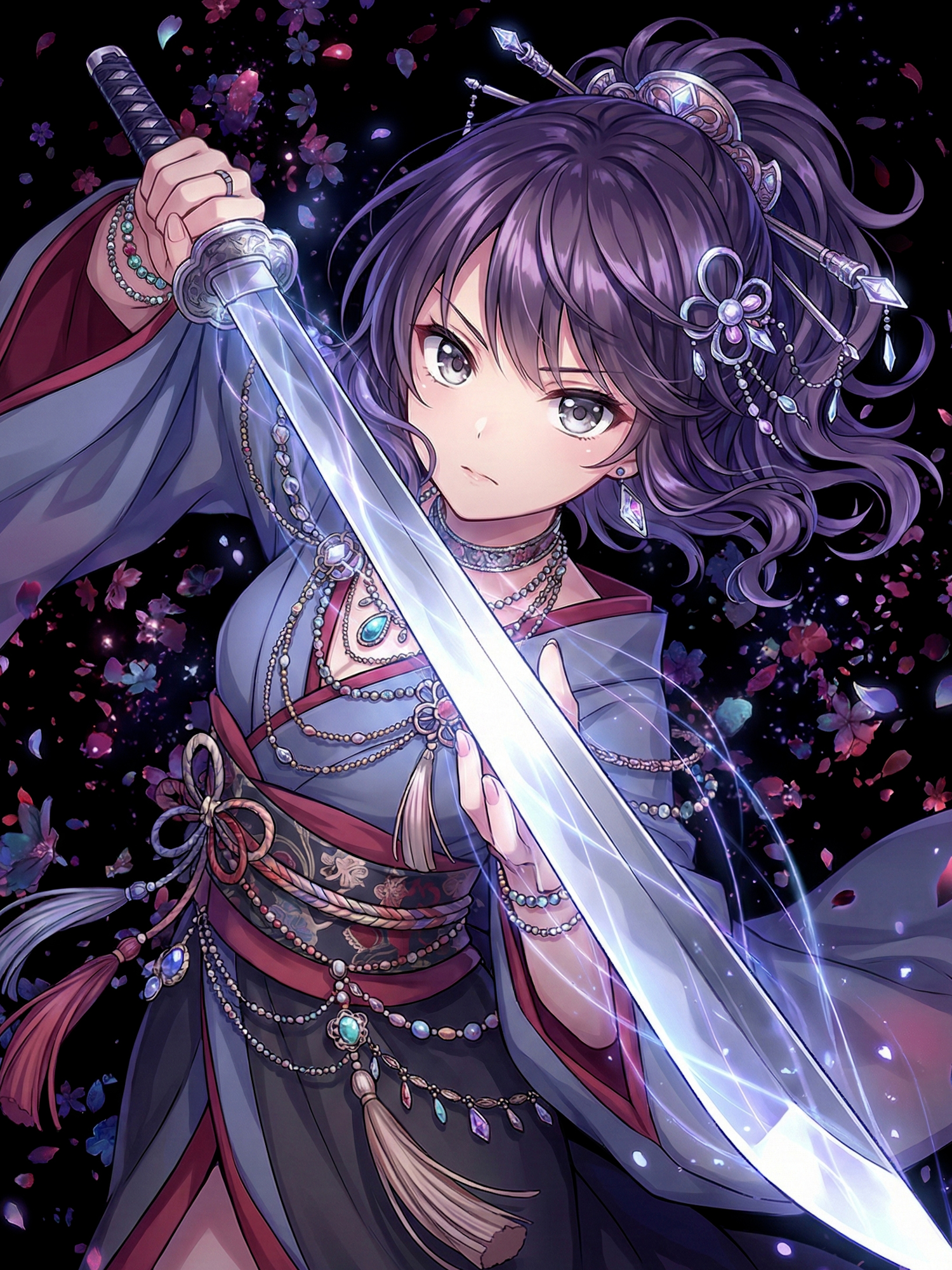
This blade symbolizes economic decline, scarcity, and misfortune.
It visualizes quiet erosion of prosperity.
In modern contexts, binbōgami are often reimagined as metaphors for bad habits, burnout, and systemic inequality. Contemporary narratives may further humanize them, portraying them as embodiments of despair, resignation, or cyclical stagnation rather than simple mischief spirits.
Despite reinterpretation, their core logic remains unchanged: misfortune stays when nothing changes. Binbōgami represent conditions that persist not through malice, but through inertia.
In some modern visual reinterpretations, binbōgami manifest as a yōtō — a blade that weighs rather than cuts. The sword feels heavy in the hand, draining momentum and resolve. Its curse is not damage, but the gradual erosion of effort.
Binbōgami persist because they describe a condition many still recognize.
Modern Reinterpretation – Binbōgami as a Contemporary Yokai
In this reinterpretation, Binbōgami is not portrayed as a mischievous poverty spirit, but as the visible form of stagnation itself — the condition that remains when systems, habits, and hope cease to move.
Rather than “bringing” misfortune, she embodies the state in which misfortune has already settled. Nothing actively attacks. Nothing actively heals. The world simply stops progressing.
The “beautiful girl” form reflects the quiet cruelty of stagnation: something that looks gentle, familiar, even harmless — yet slowly drains momentum, ambition, and belief.
Her gaze does not threaten. It waits. It represents the moment when effort continues, but change does not.
In this visual reinterpretation, Binbōgami becomes the yokai of suspended futures — a contemporary anomaly that personifies economic, emotional, and social immobility.
Musical Correspondence
The accompanying track translates stagnation into sound. Slow loops, restrained harmony, and unresolved progression evoke motion that never arrives.
Muted textures and low-fi coloration mirror the erosion of motivation, while gradual micro-changes suggest the fragile possibility of escape.
Together, image and sound form a unified reinterpretation layer — a modern folklore artifact describing hardship that remains until something finally breaks its stillness.

This contemporary form represents domestic misfortune and economic anxiety.
She embodies poverty, decline, and scarcity.
Dreamy and stylish
Genre: Ritual Japanese HipHop / Darkwave Folklore Produced by: Phantom Tone | Suno AI | Kotetsu Co., Ltd. Tags: #JapaneseHipHop #AIgeneratedMusic #Yokai #Phant…