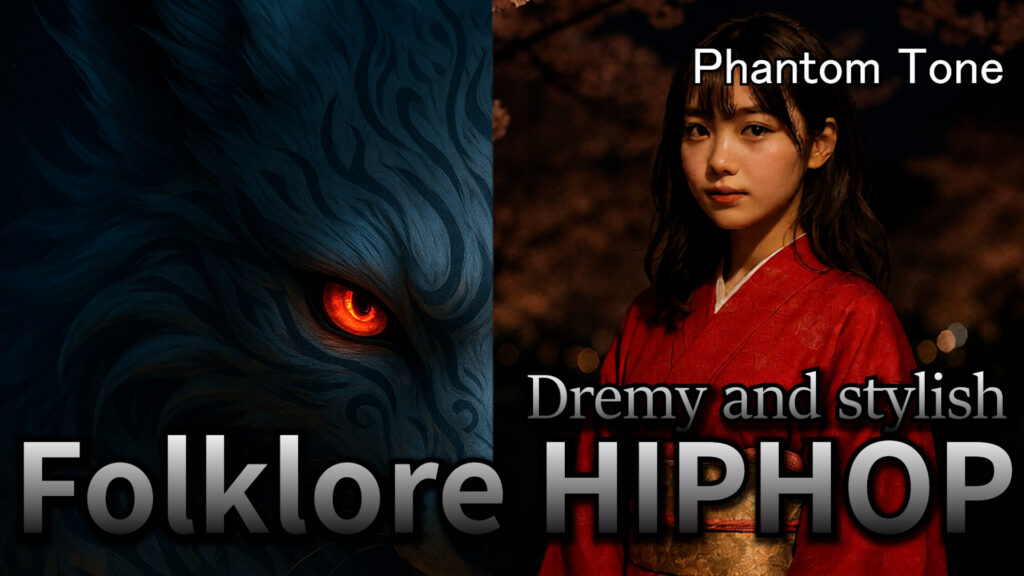

Akaname is an Edo-period household yōkai associated with neglected bathrooms and unclean domestic spaces.
It represents social shame, moral exposure, and the anxiety surrounding cleanliness in everyday life.
Akaname is a traditional yōkai belonging to the “Household & Village Yokai” domain of Japanese folklore.
Primary Sources
Edo-Period Illustrated Encyclopedias
- Gazu Hyakki Yagyō (画図百鬼夜行) — Toriyama Sekien
- Konjaku Hyakki Shūi (今昔百鬼拾遺) — Toriyama Sekien
Classical Folklore References
- Yanagita Kunio — Yōkai Dangi
- Komatsu Kazuhiko — Yōkai Encyclopedia
Akaname – Filth-Licking Spirits of Neglect in Japanese Folklore
Akaname are among the most unsettlingly mundane yōkai in Japanese folklore: creatures that emerge at night to lick filth, grime, and accumulated dirt from neglected bathrooms and wash areas. Unlike monstrous predators or cosmic beings, akaname haunt the overlooked corners of everyday life, thriving where care and cleanliness have been abandoned.
Their horror is intimate and domestic. Akaname do not terrorize villages or devour humans; they intrude silently into private spaces. The fear they evoke comes not from violence, but from violation—the realization that neglect invites presence.
Akaname embody the unease of uncleanliness made animate.
Origins and Cultural Context
Akaname appear primarily in Edo-period yōkai catalogs and illustrated encyclopedias, emerging from a cultural environment that placed strong emphasis on cleanliness, ritual purity, and household order. Bathing spaces in premodern Japan were deeply tied to notions of health and spiritual balance.
In this context, dirt was not merely physical—it was moral and spiritual. Akaname functioned as cautionary figures, reminding households that neglecting daily maintenance could invite more than discomfort.
Rather than punishing wrongdoing, akaname expose it. Their appearance is consequence, not judgment.
Appearance and Physical Traits
Descriptions of akaname are grotesque but restrained:
A humanoid or goblin-like body
Long, narrow limbs
Wild hair or hunched posture
Most notably, an elongated tongue used to lick filth
Often shadowy or indistinct in form
Their design emphasizes sensory discomfort rather than terror. The tongue, central to their identity, transforms disgust into action. They are not powerful—they are persistent.
This focus on texture and proximity makes them uniquely disturbing.
Behavior and Nocturnal Activity
Akaname appear late at night, when households are quiet and unobserved. They slip into bathrooms, washrooms, or abandoned buildings, licking accumulated grime from tubs, floors, and walls.
They do not steal, attack, or speak. Their presence is fleeting, leaving behind only the implication of contact. In some tales, discovering signs of an akaname’s visit is worse than seeing the creature itself.
Importantly, akaname are not malicious. They are attracted to filth, not people.
Cleanliness, Purity, and Shame
At a symbolic level, akaname are deeply tied to shame. They appear only where neglect exists. A clean household is invisible to them.
This framing transforms fear into responsibility. The monster does not arrive arbitrarily—it is invited through inattention. In this way, akaname differ from external threats; they are reflections of internal failure.
Their stories reinforce social norms not through punishment, but through discomfort.
Symbolism and Themes
Neglect Made Visible
Akaname give form to what is ignored.
Domestic Horror
They turn private spaces into sites of unease.
Purity and Responsibility
Cleanliness becomes a form of protection.
Disgust Without Violence
Fear arises from revulsion rather than danger.
Related Concepts
Household & Village Yōkai
Domestic spirits embedded in private moral space.
→ Household Yokai Index
Tsukumogami (付喪神)
Everyday objects acquiring spiritual agency through neglect and time.
Kegare (穢れ)
Pollution as spiritual and social contamination.
Akaname in Art and Folklore
In Edo-period illustrations, akaname are often depicted crouched in baths, tongues extended, surrounded by shadow. Artists emphasize awkward posture and exaggerated anatomy rather than aggression.
Their visual presentation reinforces their role as minor yōkai—unimpressive yet unforgettable. They linger in memory precisely because they touch what should remain private.
Stories involving akaname are brief and instructional. The lesson is immediate and practical.
Modern Interpretations
In modern media, akaname are sometimes treated humorously or as grotesque mascots of filth. However, their core symbolism remains potent, especially in horror contexts that explore bodily discomfort and contamination.
Contemporary interpretations may frame akaname as manifestations of hygiene anxiety or the psychological weight of neglect—still relevant in modern domestic life.
They persist because their domain has not disappeared.
Modern Reinterpretation – Akaname as a Contemporary Yokai
In this reinterpretation, Akaname is no longer presented merely as a grotesque spirit of filth, but as a quiet, lingering presence born from unattended domestic space. Its form is intentionally softened — not to diminish its horror, but to mirror its most unsettling quality: familiarity.
Historically, Akaname appears in places that have been neglected — bathrooms, storage rooms, corners where moisture and silence accumulate. In modern life, these spaces have not disappeared; they have simply become invisible. The “beautiful girl” form functions as a contemporary analogue of this invisibility — something gentle, approachable, and therefore easy to ignore.
Her calm expression and subdued tones reflect the psychological comfort that accompanies neglect. She does not threaten. She waits. She occupies the spaces no one checks, and feeds on what has been forgotten.
In this visual form, Akaname becomes a metaphor for the slow erosion of care — the accumulation of small omissions that eventually become environments of unease. She is not a monster that arrives. She is a condition that forms.
Musical Correspondence
The accompanying track translates this quiet contamination into sound. Soft, crawling rhythmic patterns suggest movement through narrow, humid spaces, while irregular percussive textures simulate proximity and discomfort.
Wet tonal fragments and filtered noise evoke surfaces that are touched but never cleaned, and fragmented melodic figures avoid resolution — mirroring the yokai’s preference for lingering rather than action.
Together, image and sound form a unified reinterpretation layer — not as an illustration of folklore, but as a modern domestic myth rendered through contemporary audiovisual language.

This contemporary form represents neglect becoming visible through familiarity and quiet presence.
She embodies shame, abandonment, and domestic decay within modern social space.
Dreamy and stylish
Genre: Ritual Japanese HipHop / Darkwave Folklore Produced by: Phantom Tone | Suno AI | Kotetsu Co., Ltd. Tags: #JapaneseHipHop #AIgeneratedMusic #Yokai #Phant…