
What Is Amabie?
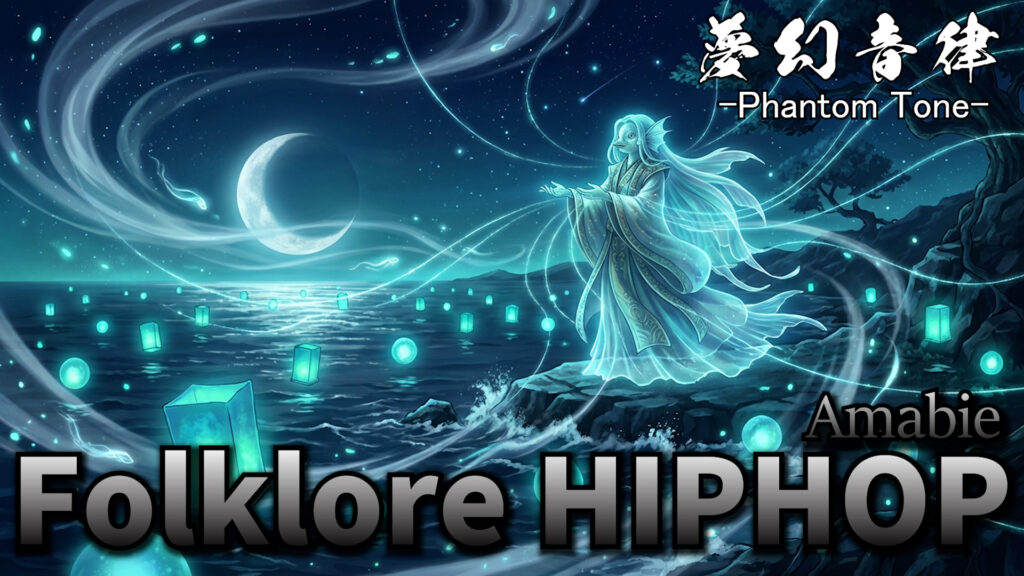
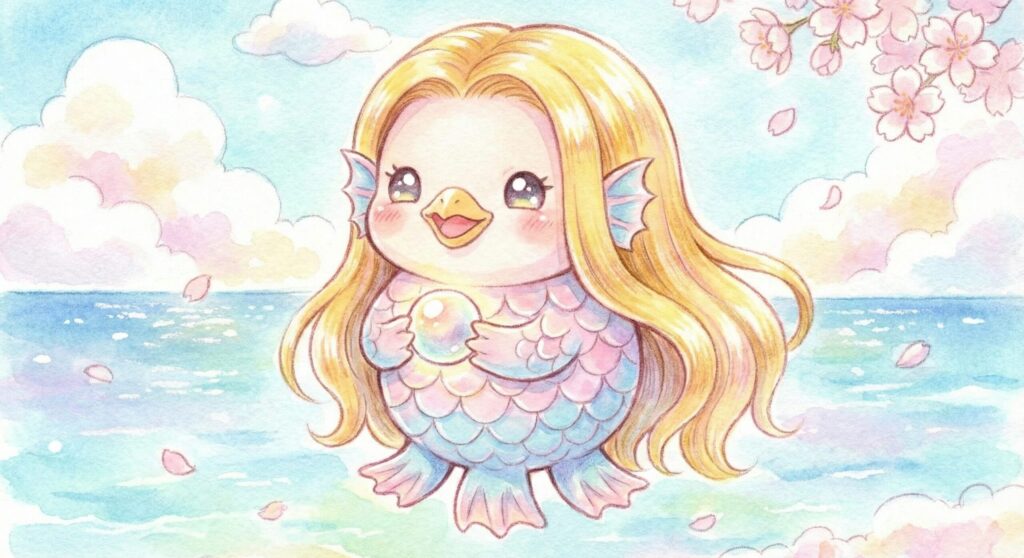
Amabie (アマビエ) is a mermaid-like prophetic being that emerged from the waters off Higo Province (modern-day Kumamoto Prefecture) during the Edo period. According to a surviving 1846 kawaraban record, a shining creature appeared from the sea, delivering a prophecy concerning abundant harvests and the approach of epidemic outbreaks. Amabie instructed the official who witnessed it to “draw my likeness and show it to the people” as a protective measure — a rare directive in yokai tradition that emphasizes visual transmission as a form of warding.
Unlike many yokai, Amabie is not a trickster or threat but a benevolent creature associated with light, foresight, and communal protection. With its long flowing hair, beak-like mouth, fish scales, and three legs, Amabie’s distinct body is symbolically tied to the liminal space between sea and land, the natural and the supernatural, the visible and the unseen.
Symbolic Meaning and Cultural Role
Amabie’s prophecy links it directly to concepts of epidemics, healing, and harvest prediction. This situates the creature at the intersection of folk medicine, ritual belief, and agrarian anxiety. Its instruction to “show my image” reflects an older Japanese practice in which visual representations themselves were thought to hold apotropaic power.
As a liminal marine creature, Amabie embodies both nourishment and danger — the sea being a source of life but also of storms, illness, and unknown forces. The creature’s radiance, often described as shining or glowing, symbolizes purification and the hope of guiding communities through dark and uncertain times.
Historical Sources and Transmission
Only one primary Edo-period record of Amabie survives, found in a woodblock-printed kawaraban leaflet. This rarity contributes to both its mystery and its adaptability. During the time of its origin, such printed sheets were commonly used to distribute news, supernatural sightings, and protective rituals. Amabie’s instruction to circulate its portrait fits this media environment perfectly.
Over the following century and a half, Amabie remained obscure in popular culture until the 21st century, when its connection to epidemic protection brought unprecedented global recognition. The revival demonstrates how yokai evolve across time, reappearing when their symbolic function becomes relevant again.
Amabie in Modern Culture
In contemporary Japan and abroad, Amabie has transformed into a cultural icon of healing, positivity, and resilience. Artists reinterpret it in countless styles — cute, ethereal, surreal, solemn — and it appears in merchandise, medical posters, municipal campaigns, and digital art.
This modern reimagining reflects the yokai’s enduring relevance: a figure that blends beauty and eeriness, offering symbolic reassurance during moments of collective anxiety. Amabie’s emphasis on imagery makes it naturally suited for the digital era, where protective symbols spread visually just as they did through woodblock prints centuries ago.
Why Amabie Remains Significant
Amabie’s power lies not in fear but in solidarity and shared belief. It is a yokai that enters culture during times of uncertainty, reminding people of the historical ties between art, community, and hope. Its unusual combination of prophecy, light, and protectiveity sets it apart from most supernatural beings in Japanese folklore.
As both legend and cultural symbol, Amabie bridges Japan’s past and present, carrying its luminous message into new artistic and emotional landscapes.
Music Inspired by Amabie
These tracks explore themes tied to Amabie’s radiant presence, prophetic voice, and the oceanic mystery from which the yokai emerges. Echoing the creature’s blend of beauty and unease, the music reflects concepts of protection, shimmering light, and the quiet power of folklore reborn through sound. Works featuring fluid, aquatic textures and ethereal atmospheres resonate especially well with Amabie's mythic origin.
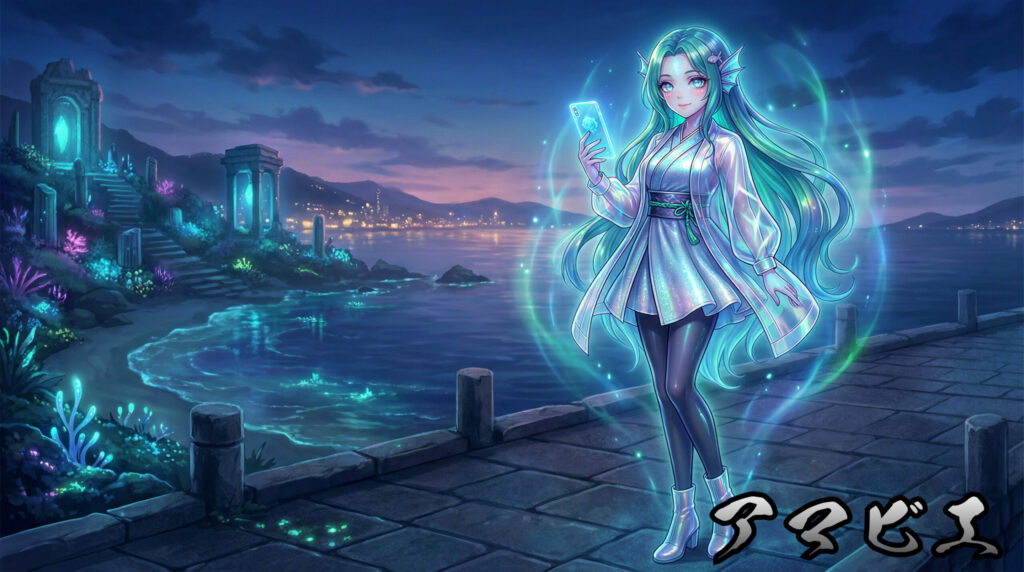
 Phantom Tone – Japanese Folklore Hip-Hop Project